Best Protein Powder for Seniors

Top picks for you
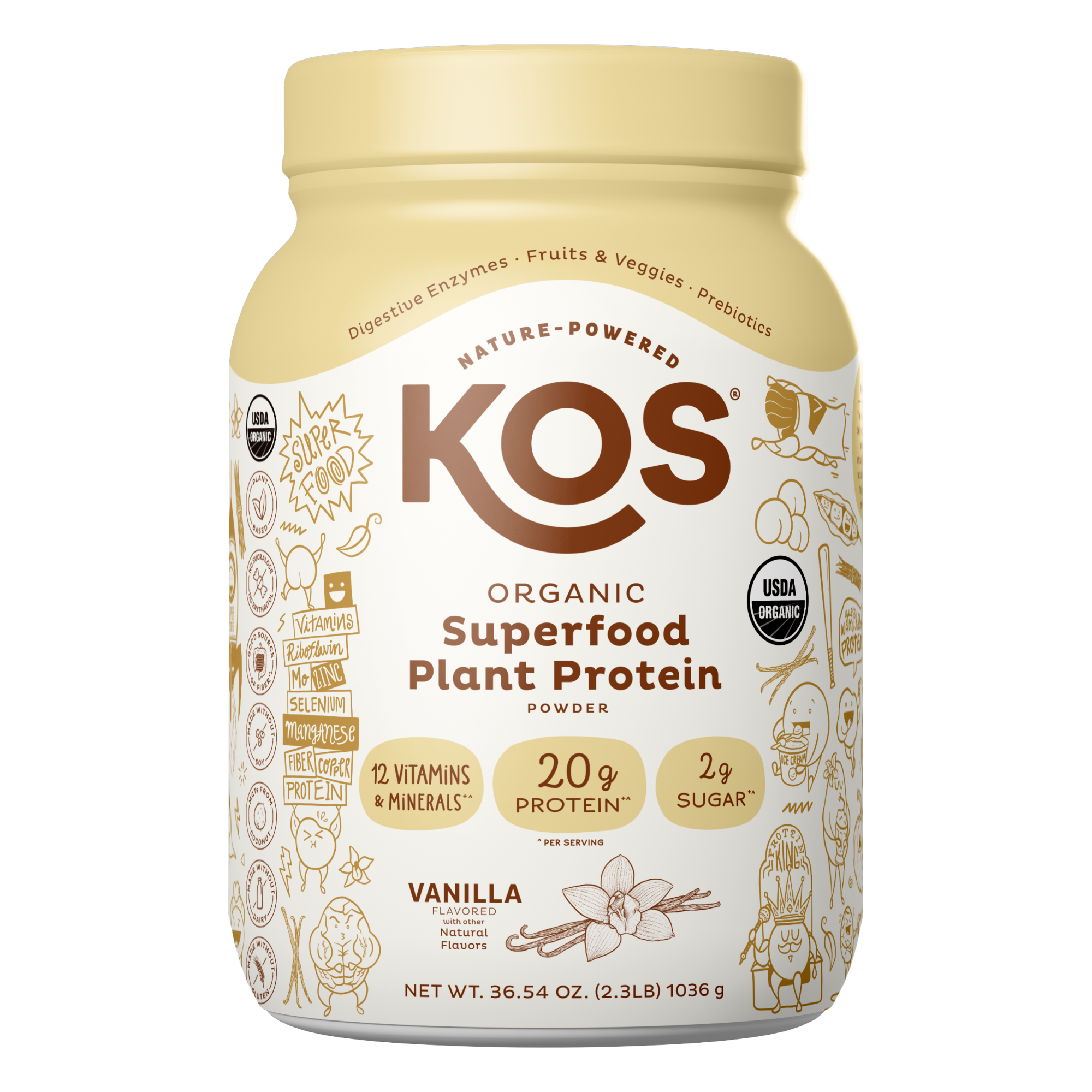
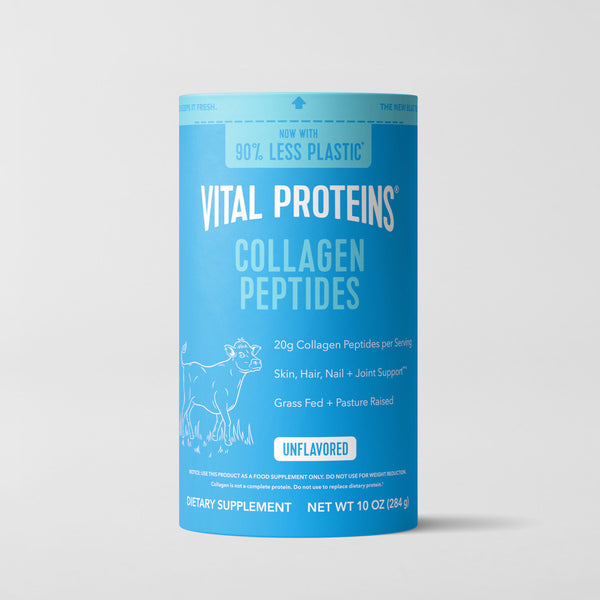


After age 50, the body slowly loses muscle mass: a process called sarcopenia: and becomes more resistant to the muscle-building signal of dietary protein. The good news: you can offset most of it with adequate protein and resistance training. The picks below are all easy-digesting whey isolates and slow-release caseins with low sugar, gentle on the stomach, and clean enough for daily use. Ranked by value across 12 US retailers.
How we pick for seniors
- Easy-digesting whey isolate & casein only: isolate is >90% protein with negligible lactose. Casein digests slowly for overnight muscle preservation. Both are gentle on older digestive systems.
- Low added sugar: at least 70% of every scoop is pure protein, with minimal sweeteners and fillers to avoid blood-sugar spikes.
- Trusted, third-party-tested brands: ON Gold Standard Casein, Isopure, Naked Whey and Ascent: names with decades of quality control and gentle, neutral formulas.
Top Proteins for Seniors: Best Value First
How much protein do you need after 50?
The science-backed range: 1.2–1.6g per kg bodyweight per day
The standard RDA of 0.8g/kg is set for nitrogen balance in young adults: and is widely considered too low for older adults. The PROT-AGE expert group and Bauer et al. recommend 1.2 to 1.6 grams per kg of bodyweight per day for adults over 65 to prevent sarcopenia and preserve function.
Spread protein across 3–4 meals of 25–40g each: older muscle responds better to larger per-meal doses (this is "anabolic resistance"). A 25g whey isolate scoop at breakfast and a casein scoop before bed makes hitting the target effortless, especially when appetite drops with age.
Other Audiences
Frequently Asked Questions
Is protein powder safe for older adults?
Yes: for healthy older adults, supplemental whey is just concentrated milk protein. The main caveat is anyone with diagnosed kidney disease should follow their doctor's protein limits. Otherwise, multiple randomised trials in adults 60+ show whey supplementation (around 20–25g daily) improves muscle mass and strength alongside resistance training.
Whey isolate or casein: which is better after 50?
Use both. Whey isolate digests fast and is excellent in the morning or after walks/strength sessions to trigger muscle protein synthesis. Casein digests slowly over 5–7 hours and is ideal pre-bed: overnight is when muscle loss is highest in seniors, and casein blunts that nicely.
Will protein powder upset my stomach?
Pure whey isolate has under 1g of lactose per scoop and is well tolerated by most people who are mildly lactose-intolerant. If concentrate gives you bloating, switch to an isolate (Dymatize ISO100, Isopure, Naked Whey). If dairy is off the table entirely, our /for/vegans/ page has gentle pea+rice options.
Do I really need protein powder if I eat well?
Not strictly: but it makes hitting 1.2–1.6g/kg far easier when appetite is reduced. Many older adults struggle to chew enough lean meat or fish to hit their daily target. A shake delivers 25g of high-quality protein in seconds, with no cooking, no portion stress, and no expensive cuts of meat.