Best Vegan Protein Powder
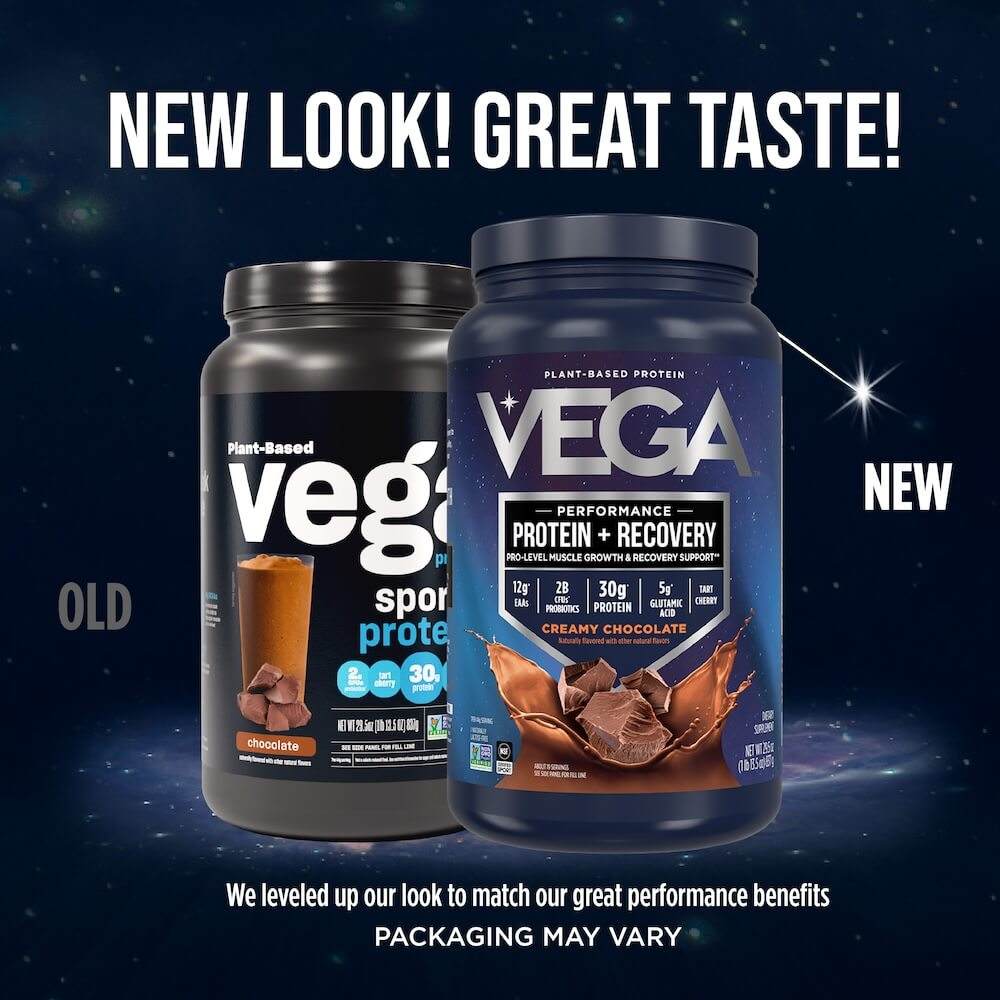
Top picks for you
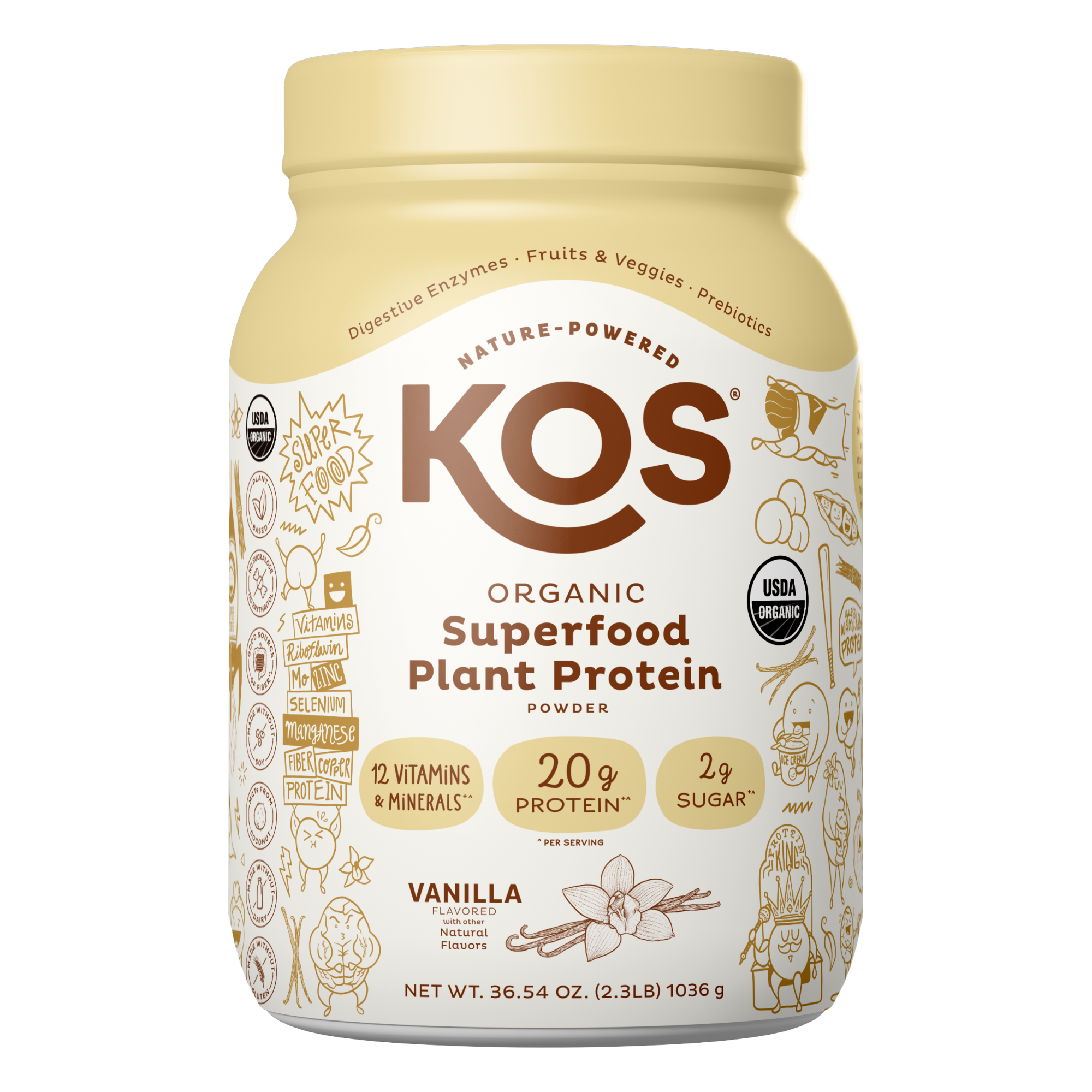

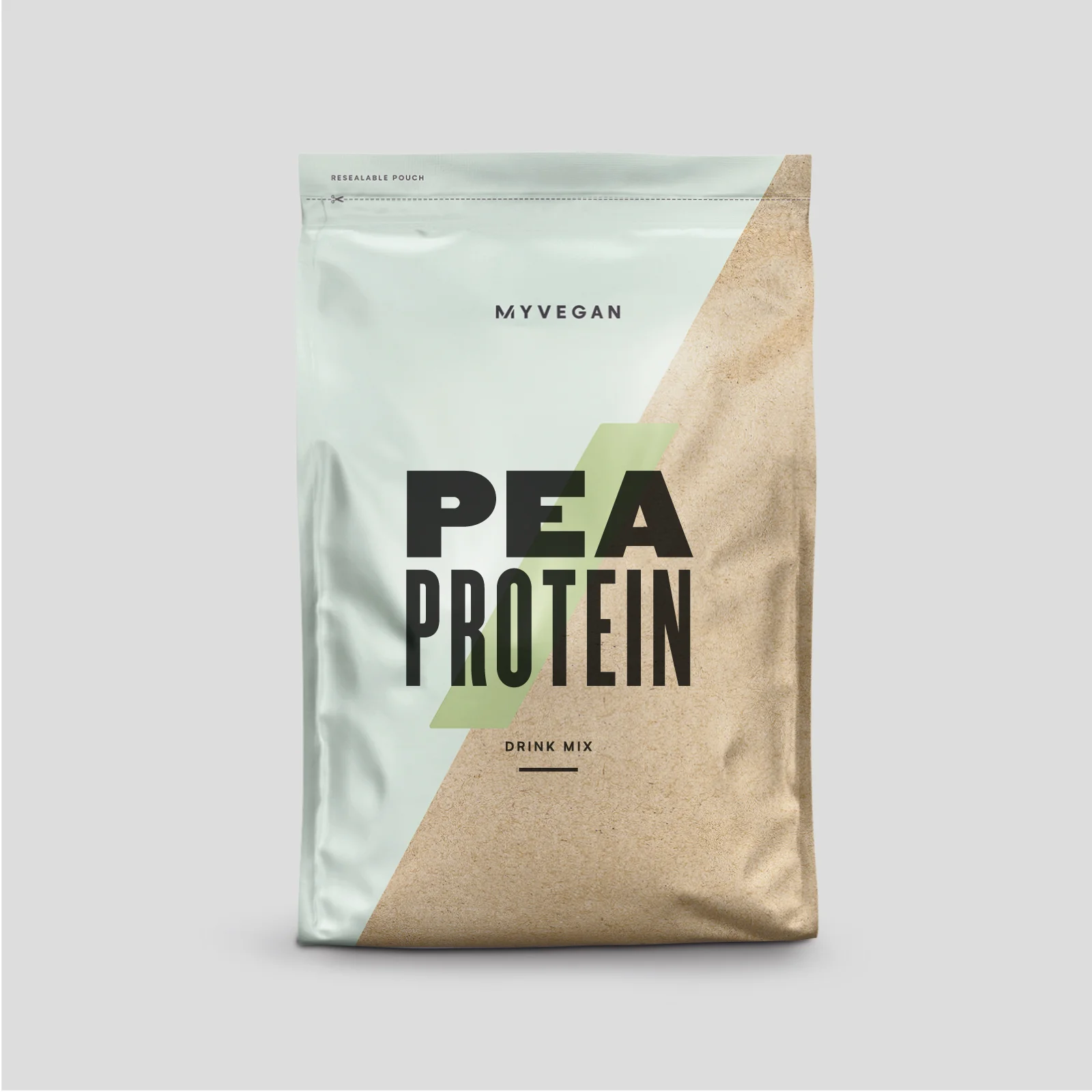
Modern plant proteins are nothing like the chalky soy shakes of the early 2000s. Pea+rice blends now deliver complete amino-acid profiles that compete head-to-head with whey for muscle building. Pea protein alone is rich in lysine; brown rice complements with cysteine and methionine: together they're a complete protein. The picks below are 100% plant-based, ranked by value score across 12 US retailers, and lean on the trusted names in plant nutrition.
How we pick for vegans
- 100% plant-based: only products in our plant protein category. No whey, no casein, no hidden dairy. Suitable for vegans and the lactose-intolerant.
- Complete amino profile preferred: pea+rice blends (and pea+rice+hemp+pumpkin combos) hit all 9 essential aminos. Pure pea is also great if you eat varied plant foods elsewhere.
- Clean labels: favouring USDA Organic and brands with no artificial dyes or proprietary blends: Vega Sport, Orgain, Garden of Life, NOW Sports and MyProtein.
Top Vegan Proteins: Best Value First
How much plant protein do you need?
The science-backed range: 1.4–2.0g per kg bodyweight per day
Vegans benefit from sitting on the higher end of typical recommendations: 1.4 to 2.0 grams per kg of bodyweight per day: because plant proteins have slightly lower leucine content per gram than whey. A 2024 trial by Monteyne et al. showed muscle protein synthesis rates can match whey when total leucine is matched, which means slightly larger plant scoops (30–40g) are the practical fix.
Pea + rice is the gold-standard combo: peas are high in lysine but lower in methionine, rice is the opposite: together they form a complete protein with a PDCAAS score approaching dairy. Many top blends now also add hemp, sacha inchi or chia for omega-3s.
Other Audiences
Frequently Asked Questions
Is plant protein as good as whey for building muscle?
Modern pea+rice blends are remarkably close. A 2024 trial showed muscle protein synthesis rates matching whey when total leucine intake was equalised. The practical implication is straightforward: take a slightly larger scoop (30–40g vs 25g of whey) and the results match for hypertrophy.
Pea, rice, hemp, or a blend: which should I pick?
A blend, almost always. Pure pea is excellent but slightly low in methionine; pure rice is low in lysine. Combine them (or buy a pre-blended product like Vega Sport, Orgain Plant, or Garden of Life Raw Organic) and you get a complete amino profile with no weak link. Hemp and sacha inchi add omega-3s as a bonus.
Does plant protein taste chalky or gritty?
Older formulations did. Today's leaders: Vega Sport, Orgain Plant, Garden of Life Sport: have largely solved the texture issue with finer milling, micellisation and improved sweeteners (stevia + monk fruit). Chocolate and vanilla are the safe bets if you're new to plant powders.
Is soy protein safe for men?
Yes. Meta-analyses (Hamilton-Reeves et al.; Reed et al.) show normal-range soy intake: including soy protein isolate: has no measurable effect on testosterone or estrogen in men. The myth is persistent but the data is clear. That said, most of our top picks above are soy-free pea+rice blends.