How to Read a Protein Powder Label

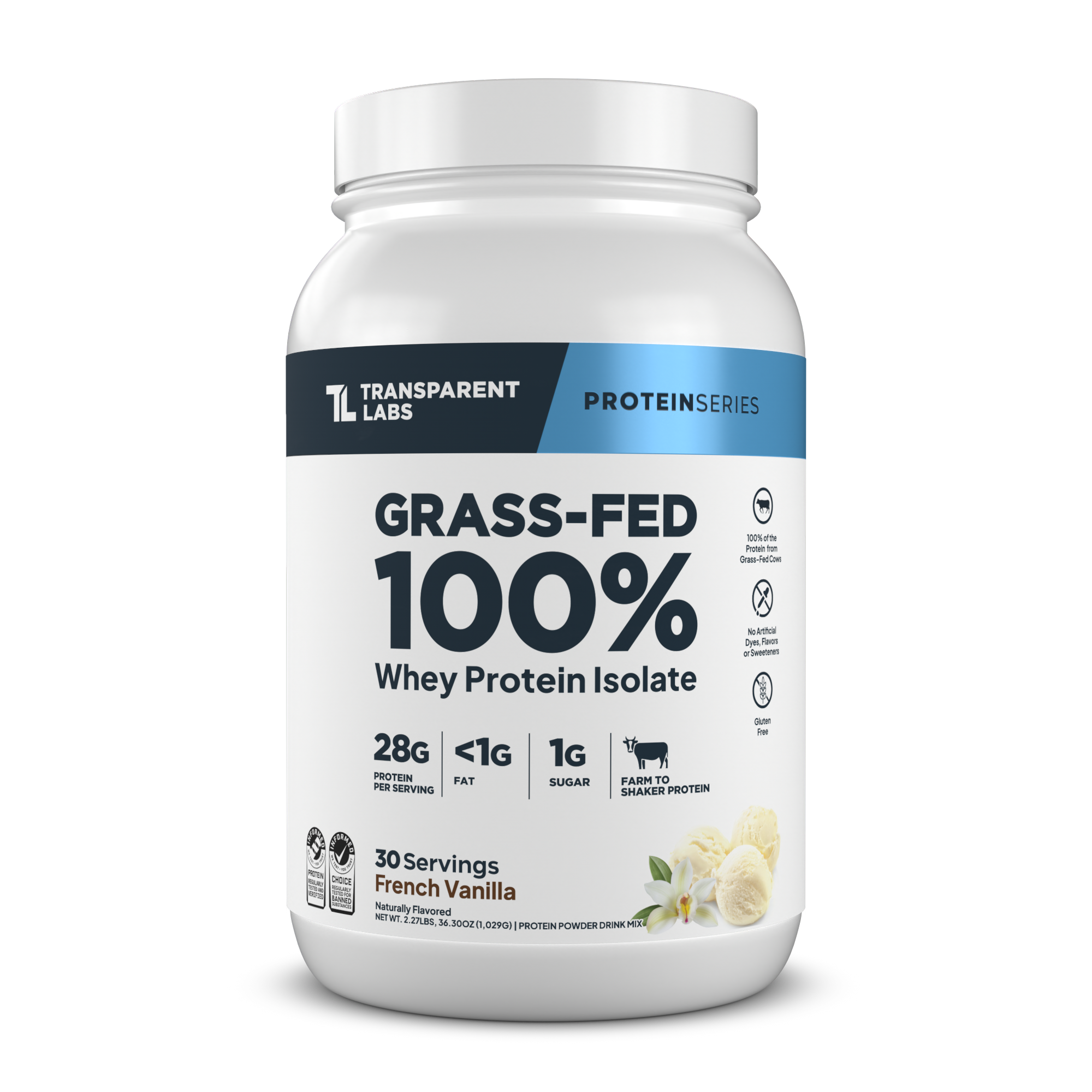
Marketing copy belongs on the front of the tub. The truth is on the back. Here is how to extract the real story from a Supplement Facts panel in under a minute.
The first three numbers. Scoop weight, grams of protein, and ingredient order. Get these three and you know what you actually bought.
Why labels exist in the form they do
Protein powders in the US are regulated under the Dietary Supplement Health and Education Act of 1994, which requires a Supplement Facts panel listing serving size, calories, macronutrients, and a full ingredient list. Manufacturers have meaningful latitude on the front-of-tub marketing language.
The disconnect between front and back creates room for misleading impressions. A tub can prominently feature "isolate" on the front while the ingredient panel lists concentrate first. Both statements can be technically true: the product contains some isolate, but mostly concentrate.
Reading the Supplement Facts panel
Start with serving size. This is the total mass of one scoop, usually 25 to 40 grams. This is the denominator of every other ratio you will calculate.
Next, find protein in grams. Divide by serving size to get protein density. Concentrates land in the 65 to 75 percent range. Isolates clear 80 percent. Blends sit between.
Then carbs and fat. These are what is in the scoop besides protein. Higher numbers indicate concentrate base or added carb-fat ingredients. For cutting purposes, lower is better.
The ingredient list is the real story
By US regulation, ingredients are listed in descending order by weight. The first ingredient is the largest fraction. For a protein blend, the first protein source dominates.
Watch for the order trick: "Whey protein isolates, Whey protein concentrate" puts isolate first, which is technically accurate but often only 30 to 40 percent of the total protein. The bulk is concentrate.
Also watch for non-protein bulkers. Maltodextrin, sunflower oil, gum systems, and proprietary "flavor matrices" can add scoop weight without adding protein. They are not problems by default, but they reduce your protein density.
| Label section | What to look for | What to question |
|---|---|---|
| Serving size | 32 to 38 g scoop | Under 25 g (too small) |
| Protein g | At least 22 g per scoop | Under 18 g |
| First ingredient | Single protein source named | "Proprietary blend" |
| Sweetener | Sucralose, stevia, or aceK | Aspartame if you react to it |
| Certifications | NSF, Informed Sport, USP | No third-party seal |
| Country of manufacture | Stated clearly | Vague language only |
How ProteinPrice uses label data
Every product page surfaces the most important label numbers: protein per scoop, scoop weight, servings per container, ingredient class. We do not list every additive, but we do flag the macro and protein-density highlights so you can compare like-for-like.
For deeper dives, the product page also links to the brand label image where available.
Marketing claims that mislead
"All-natural" and "clean-label" are mostly marketing terms with no regulatory backbone for supplements. Read the actual ingredient list.
"Hydrolyzed" appearing somewhere on the panel does not mean the product is fully hydrolyzed. A blend can contain a small fraction of hydrolyzed whey and still be marketed with that word.
"Naturally flavored" sometimes coexists with sucralose or acesulfame potassium. Natural flavors are a distinct ingredient category that does not preclude artificial sweeteners.
Amino spiking and how it is detected
Amino spiking is the practice of adding cheap free-form amino acids (glycine, taurine, alanine) to a protein product so that nitrogen tests register higher protein content than the product actually contains in useful form. The practice peaked in the 2010s and has largely been pushed out of mainstream brands.
Detection methods include amino acid spectrum analysis, which measures the individual amino content rather than total nitrogen. Reputable brands publish or test for full amino profiles. Bargain-tier no-name brands occasionally still cut corners.
A simple sanity check: leucine content per scoop. A clean whey product delivers roughly 2.5 to 3 grams of leucine per 25 grams of protein. If a product advertises 25 grams of protein but the leucine is below 2 grams, the protein source is either non-whey or the product is being amino-spiked.
Third-party certifications worth knowing
NSF Certified for Sport tests batch by batch for banned substances on the WADA prohibited list. Required for many professional athletes and a strong signal for amateur competitors.
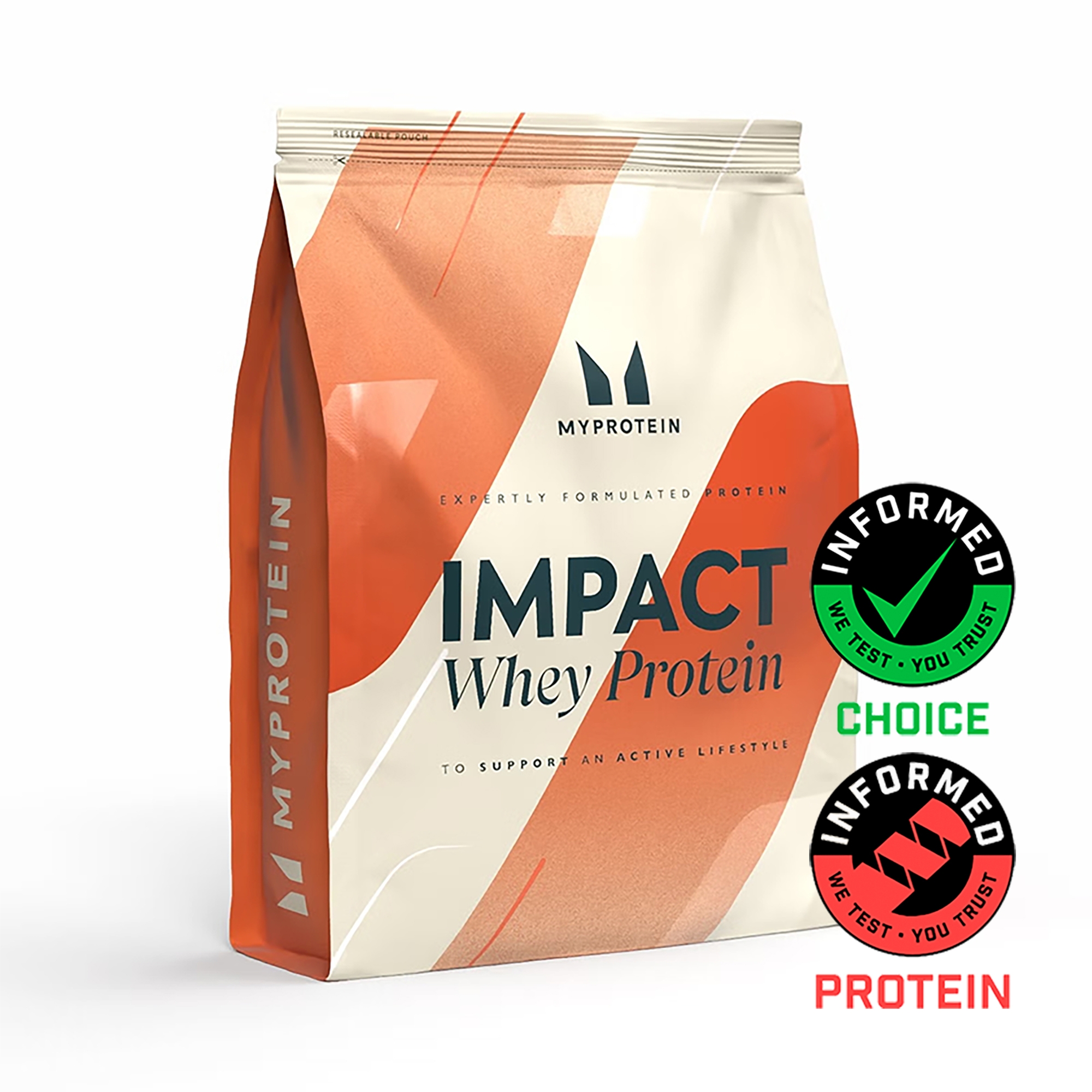
Informed Sport and Informed Choice are similar UK-based programs with batch-level testing for prohibited substances. Common on European-origin brands like MyProtein.
USP Verified is a US Pharmacopeia program that tests for accurate label claims and contamination. Less common in supplements than in medications but a strong general quality signal.
Two minutes of reading saves money
Run the math on the Supplement Facts panel before you buy any new tub. Scoop weight, protein per scoop, ingredient order. Three numbers, one minute, settled.
Pair this discipline with our live Value Score rankings and you will rarely buy a bad tub again. The combination of mechanical filtering (Value Score) and manual verification (label check) catches almost every problem product before it ends up in your cart.
Most tubs that look bad on the front-of-tub graphic look worse when you turn them around. Train the habit and it becomes automatic.