Whey vs Casein: Fast Protein Meets Slow Protein

Both come from milk, but they behave nothing alike in your stomach. Here is when each one wins, when to combine them, and what the price difference actually buys you.
Bottom line. Whey for the post-workout spike. Casein for the long hold. A blend if you want both in one scoop.
Two proteins from the same source
Cow milk is about 3.3 percent protein, and roughly 80 percent of that protein is casein with the remaining 20 percent being whey. When milk is curdled to make cheese, casein forms the solid curds and whey drains off as liquid. Both end up as supplements through very different processing paths.
Casein supplements are typically isolated from milk using acid precipitation or microfiltration, then dried into a powder. The result is mostly micellar casein, which retains its native structure. Whey, as covered in our whey types guide, is filtered from the leftover liquid.
The headline difference is digestion rate. Casein clots in the acidic environment of the stomach, slowing gastric emptying and producing a low, steady release of amino acids over several hours. Whey passes through the stomach quickly and spikes blood amino acids within an hour.
How each one behaves in your body
After a whey shake, blood leucine peaks at around 60 to 90 minutes and returns to baseline within about three hours. The spike is sharp, the area under the curve is concentrated, and muscle protein synthesis is triggered hard but briefly.
After a casein shake, blood leucine rises slowly, plateaus, and stays elevated for five to seven hours. The amino curve is flat and wide rather than sharp. This is why casein is often called "anti-catabolic": it does not produce a big synthesis spike but it keeps amino acid availability steady, which can reduce overnight muscle breakdown.
A meta-analysis on protein timing concluded that total daily protein intake is the dominant factor for muscle outcomes, but for a long gap between protein feedings (the most obvious being overnight sleep), casein has a real advantage over whey.
| Property | Whey | Casein |
|---|---|---|
| Source fraction of milk protein | ~20% | ~80% |
| Digestion speed | Fast | Slow |
| Peak amino spike | 60 to 90 min | 3 to 5 hours |
| Duration of release | 2 to 3 hours | 5 to 7 hours |
| Best use case | Post-workout, fast meals | Pre-bed, long gaps |
| Typical cost relative | Lower per gram | Higher per gram |
| Texture in shake | Light, thin | Thick, pudding-like |
When each form wins
Whey wins in the 30 to 60 minute window after training. Muscles are sensitive to amino acid availability and a fast spike triggers maximum synthesis. Whey also wins for meals where you need protein quickly: rushed breakfasts, post-cardio recovery, busy workday refuels.
Casein wins overnight. Eight hours of sleep is the longest fasting window most people experience daily, and casein bridges that gap with sustained amino delivery. It also wins as a snack: mixed with a little water it forms a pudding-like texture that satisfies hunger far longer than a whey shake.
A blend wins when convenience matters more than optimization. Many bestselling tubs combine whey and casein to deliver both a spike and a hold from a single scoop. Useful for meal replacement contexts where you want one product to cover multiple needs.
How we evaluate these on the site
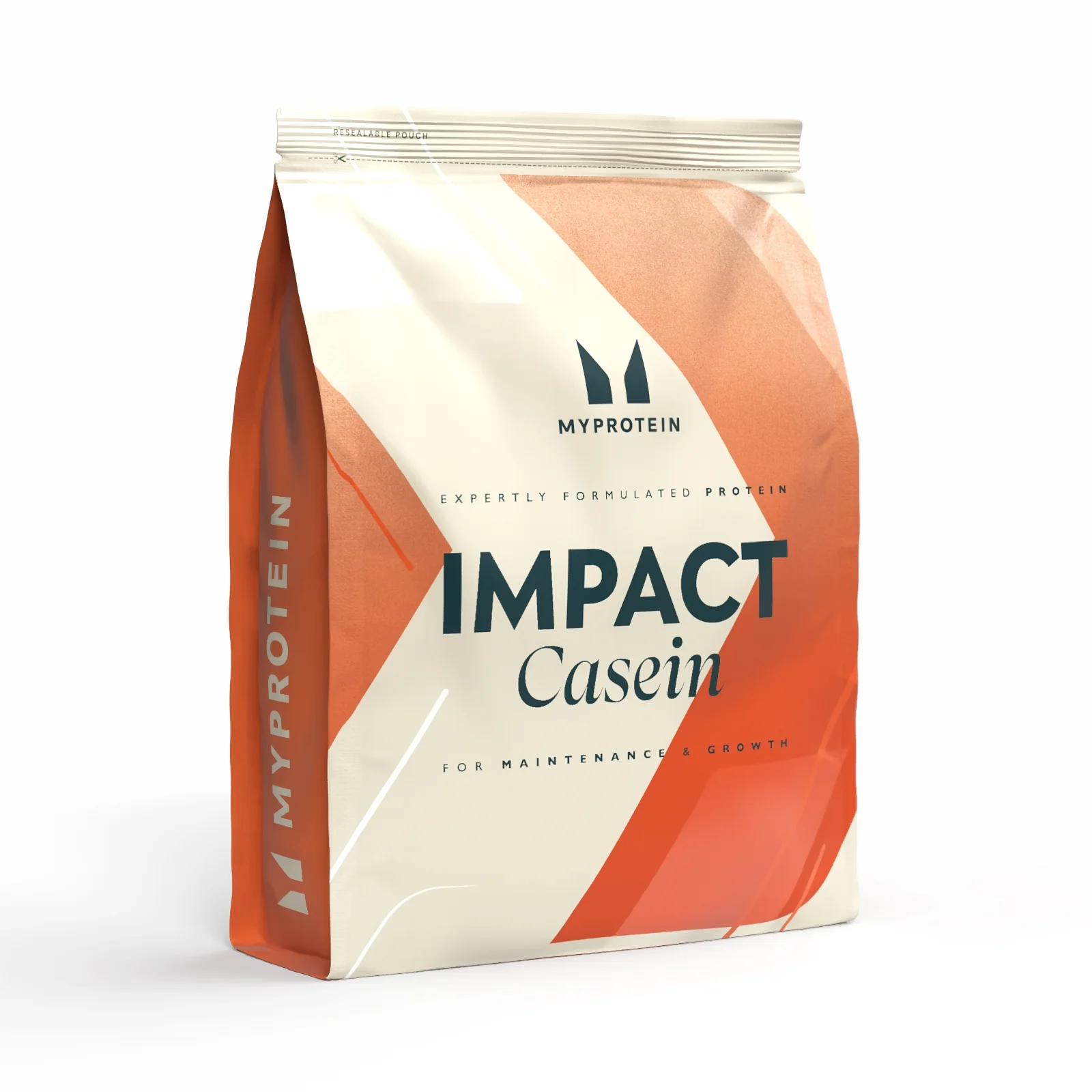
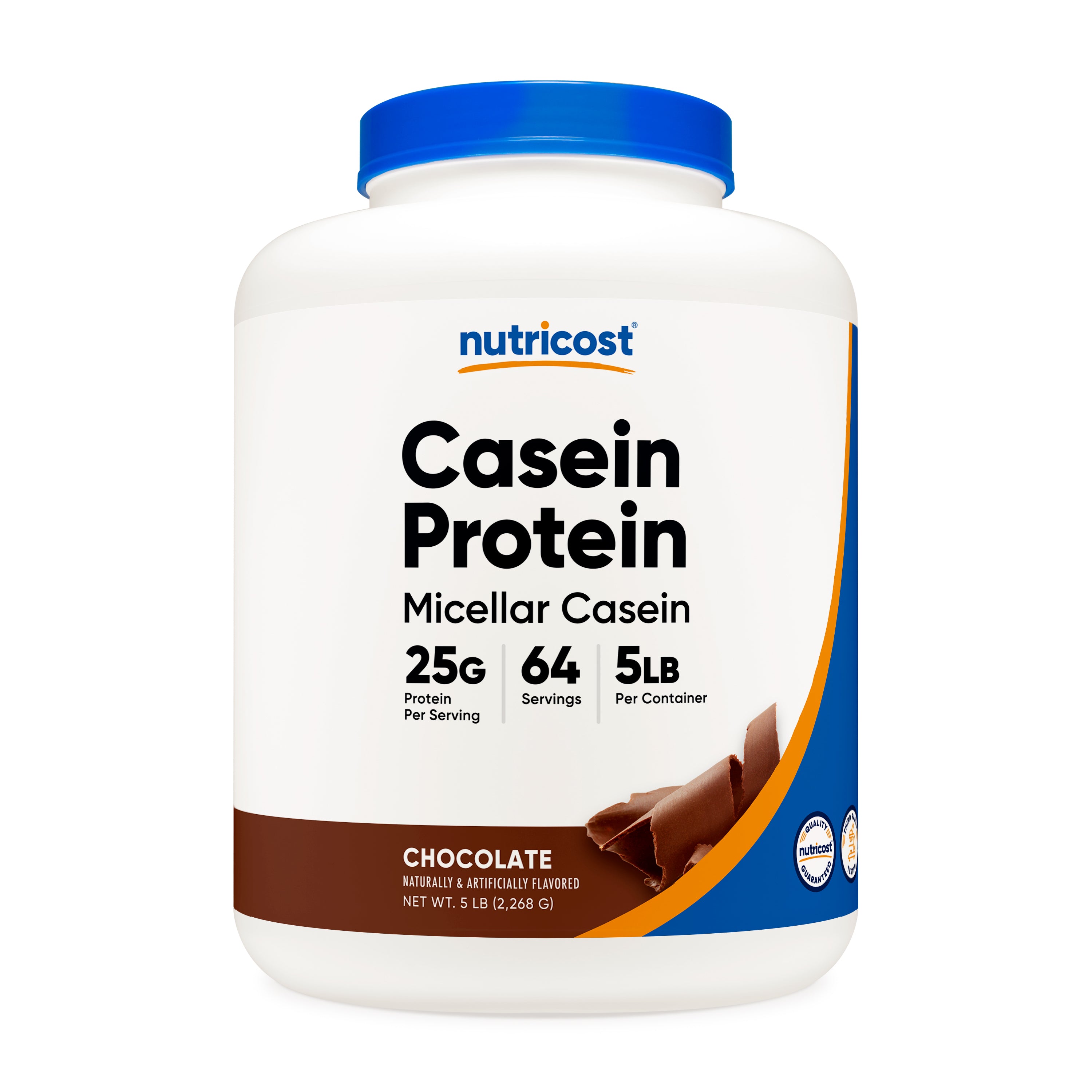
Both whey and casein products are scored by grams of protein per dollar, retailer availability, and serving flexibility. Browse the casein category and the whey category ranked by Value Score for current leaders.
We track casein products from roughly half a dozen brands across our 12 monitored US retailers. Casein is a smaller market than whey, so deal volume is lower and price swings are less aggressive.
Common mistakes to avoid
Using casein as your post-workout shake. The slow release means you miss the muscle protein synthesis window that whey was designed to hit. Save casein for the long gaps.
Assuming "blend" means equal parts. Most blends are 70 to 80 percent whey with a smaller casein fraction. If you want a true slow release, buy a dedicated micellar casein.
Overpaying for casein hydrolysate. Hydrolyzed casein speeds up the release, which defeats the entire purpose of buying casein in the first place.
Mixing and texture
Whey mixes thin in water and creamier in milk. Standard shaker bottle, 8 to 10 ounces of liquid, ready in 15 seconds. The texture is light enough to drink quickly and works for post-workout windows when you do not want a heavy stomach.
Casein mixes much thicker, especially in water. Mixed with less liquid (4 to 6 ounces of water or milk), it forms a pudding-like texture that satisfies hunger more like a meal than a drink. This is part of why casein works well as a pre-bed snack.
For people who dislike thick shakes, casein in 12 to 16 ounces of water blends thinner and behaves more like whey. For people who like the meal-substitute feel, less liquid is better.
Stacking whey and casein
A two-tub stack covers both ends of the digestion spectrum: whey for fast-spike post-workout and meal contexts, casein for slow-release evening and long-gap contexts. Total cost is roughly 1.5 to 2 times a single-tub setup, with meaningful benefit if you train hard and sleep long.
For one-tub simplicity, whey-casein blends are an acceptable compromise. They deliver both a spike and a hold but neither at the intensity of dedicated products. Useful when convenience matters more than optimization.
A common stack: a 5lb tub of value whey concentrate for daily shakes plus a 2 to 4lb tub of micellar casein for evenings. The casein tub lasts longer because the dose pattern is once per day rather than once or twice.
Should you buy casein?
If you already hit your daily protein target and you sleep more than seven hours, dedicated casein is a worthwhile addition for the overnight window. If you struggle to hit your daily target at all, buy more whey first. Casein optimizes a window. Whey moves the daily total.
For a single tub that does both jobs, look at a whey-casein blend. For two-tub stacks, pair a value whey concentrate with a single tub of micellar casein for evenings.
The bigger question is consistency of total protein intake, not which form fills what slot. Get the daily total dialed in first, then optimize the time-of-day distribution.