Plant-Based RTD Shakes: Best Value First


Other Drink Sub-Categories
Plant-Based RTD Protein Shakes: Buyer's Guide
Plant-based ready-to-drink shakes use pea, soy, brown rice, hemp, or pumpkin-seed protein in a milk-free base, usually oat, almond, or coconut. They serve vegans, anyone with a dairy intolerance, and shoppers who prefer cleaner ingredient panels. Compared with dairy premium RTDs, plant-based bottles trade slightly lower protein density for a thinner, easier-drinking texture.
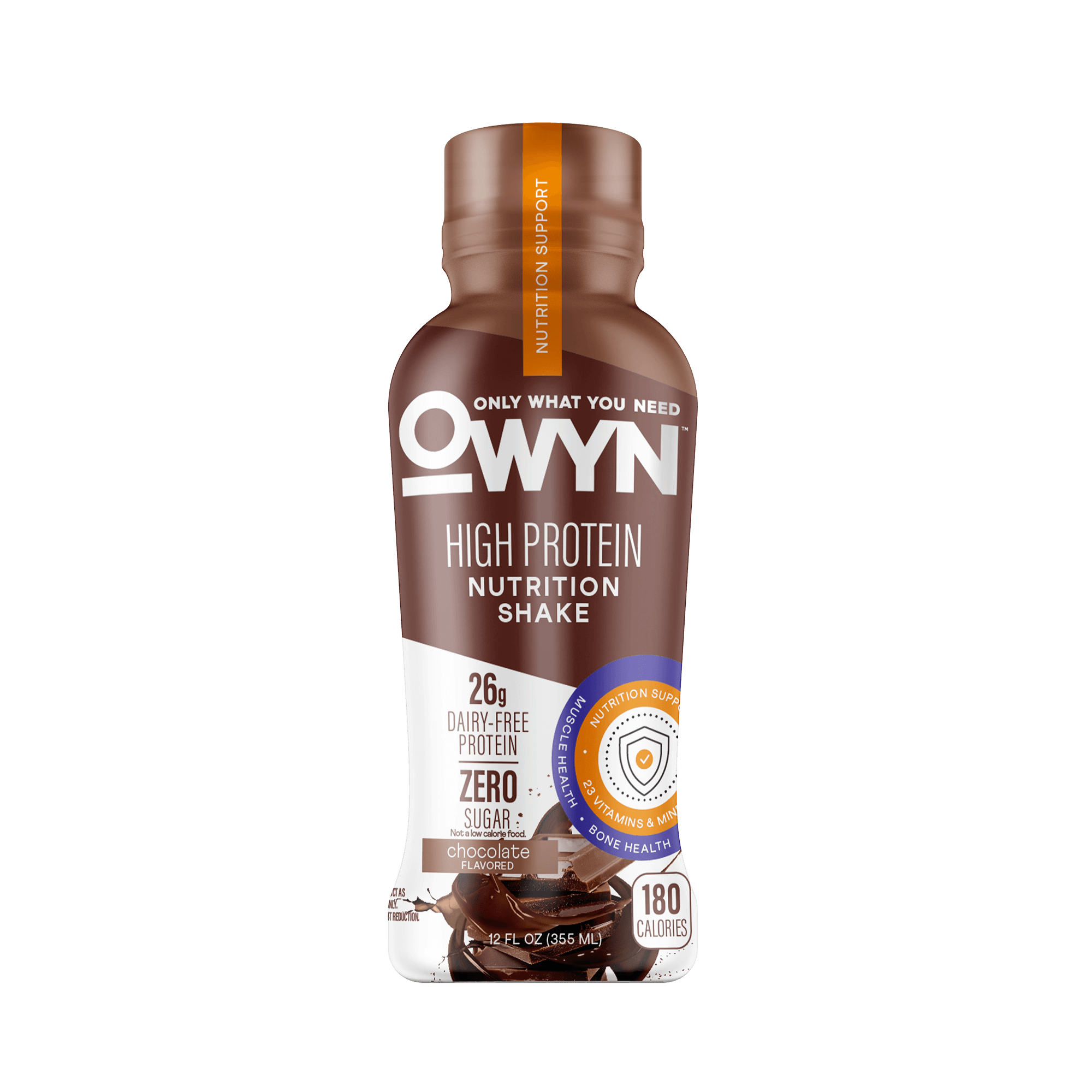
OWYN is the dominant brand on this shelf with 20 g pea-pumpkin-flax protein per bottle. Pricing usually lands at ~$3 to ~$4 per bottle in Amazon and Whole Foods 12-packs. Aloha plant-based shakes (~$3 to ~$4 per bottle) and Koia (~$3 to ~$4) sit alongside. Vega Protein Made Simple is the lighter-flavour option at ~$3 per bottle, and Ripple uses a pea-protein-milk base for a slightly creamier feel.
What to look for: a complete amino acid profile (pea on its own is high in lysine; combining with rice or pumpkin closes the gap), 20 g protein minimum, and under 6 g added sugar. Plant RTDs tend to be lighter on calories (140 to 200 kcal) than dairy bottles, which can be useful on cuts but means they fill you up less. Our Value Score ranks every bottle on this page by grams of protein per dollar.
Top Picks in Plant-Based RTDs
- Best overall: OWYN Chocolate (12-pack). 20 g protein, allergen-friendly, the cleanest tasting chocolate in the plant tier.
- Best for coffee replacement: OWYN Cold Brew Coffee. 20 g protein plus 70 mg caffeine, doubles as your AM drink.
- Best dessert flavour: OWYN Cookies & Cream. Sweetest of the OWYN range without using stevia heavily.
- Best seasonal flavour: OWYN Pumpkin Spice. Limited-release; worth stocking up when it lands.
- Best plant-based bar pair: If you want a plant snack alongside a plant shake, the No Cow and Aloha bars are the cleanest companion picks.
Frequently Asked Questions
Are plant RTDs as effective as whey shakes for muscle building?
Close. Pea-pumpkin-flax blends, like OWYN's, hit a complete amino acid profile and stimulate muscle protein synthesis. The leucine content is slightly lower than whey, so larger lifters may want 25 to 30 g per bottle rather than 20 g. Daily totals matter more than per-bottle grams.
Why do plant RTDs taste different to dairy shakes?
Pea protein has a faint vegetable note that brands mask with cocoa, vanilla, or coffee. Coconut-cream and sunflower-oil emulsions give plant RTDs a thinner, more "drinkable juice" body than the milkshake feel of Fairlife or Muscle Milk.
Are these gluten-free and soy-free?
OWYN is certified gluten-free, soy-free, and free of all top eight allergens. Aloha is gluten-free but uses pea-rice plus a small amount of cocoa. Koia uses brown rice protein and is gluten-free. Always check the label for the specific bottle.
Why are plant RTDs more expensive than Premier Protein?
Pea-isolate cost per kilo is roughly 30 to 60% higher than milk-protein isolate, organic certification adds another layer, and plant RTDs run on smaller production volumes. The price gap is real but narrowing each year.
Can I drink a plant RTD post-workout?
Yes. Pea-rice-pumpkin blends digest only slightly slower than whey. If you train hard and weigh over 90 kg, drink two bottles or combine with a piece of fruit to hit 35 to 40 g protein.
Do they need to be refrigerated?
Most plant RTDs are shelf-stable until opened, then need refrigeration. Some Koia bottles are cold-chain only; check the label.
Where are plant RTDs cheapest?
Amazon Subscribe & Save usually wins on OWYN 12-packs. Whole Foods is competitive on Aloha and Koia. Walmart is starting to stock OWYN in select markets. See how we track prices for the full method.