Plant-Based Protein Bars: Best Value First
Other Bar Sub-Categories
Plant-Based Protein Bars: Buyer's Guide
Plant-based protein bars use pea, brown rice, soy, hemp, or pumpkin-seed protein in place of whey or milk protein. They serve vegans, anyone with a dairy intolerance, and shoppers who want a softer, whole-food-style snack. Texture and aftertaste are the two factors that make or break a plant bar, which is why the brand lineup looks very different to the dairy-driven categories.
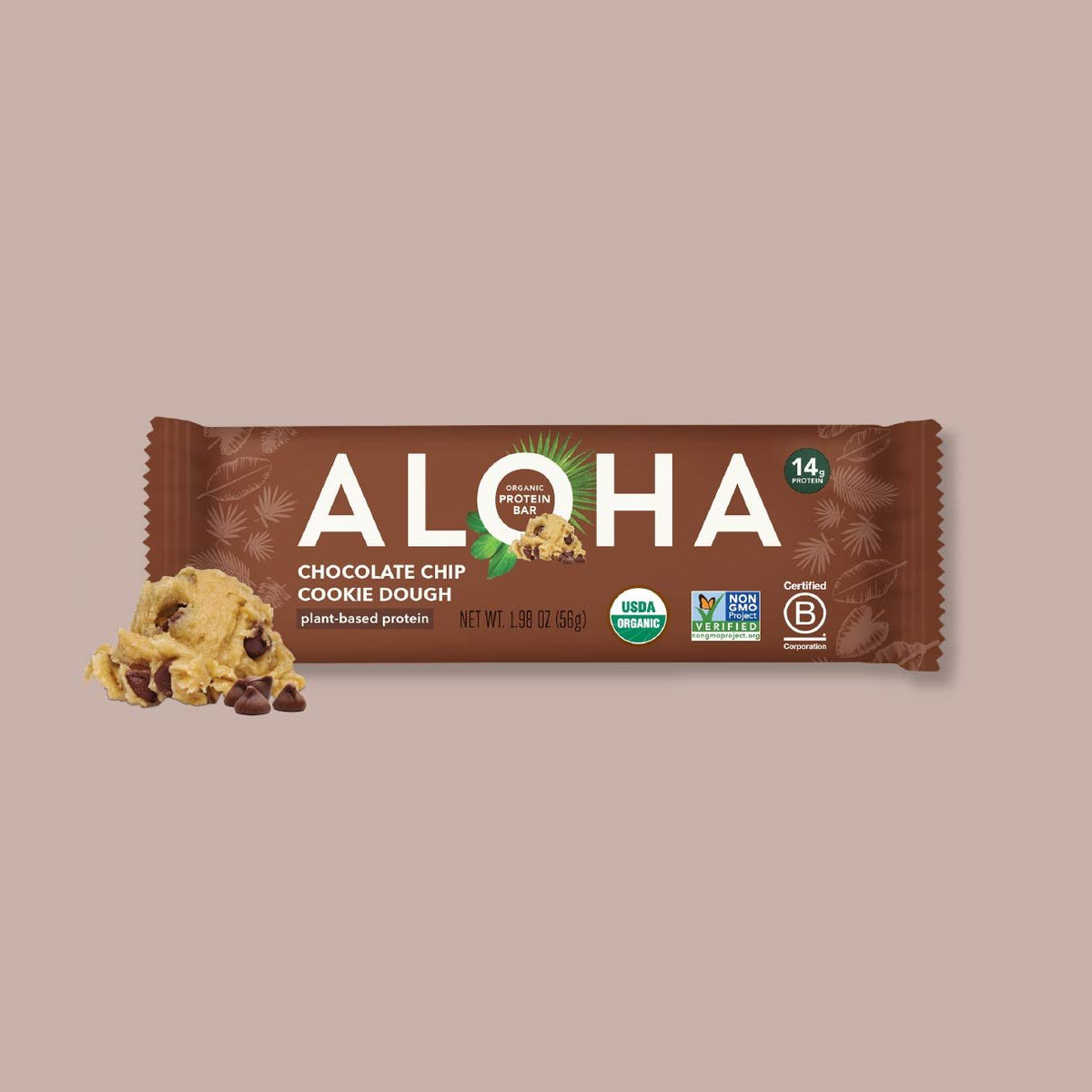
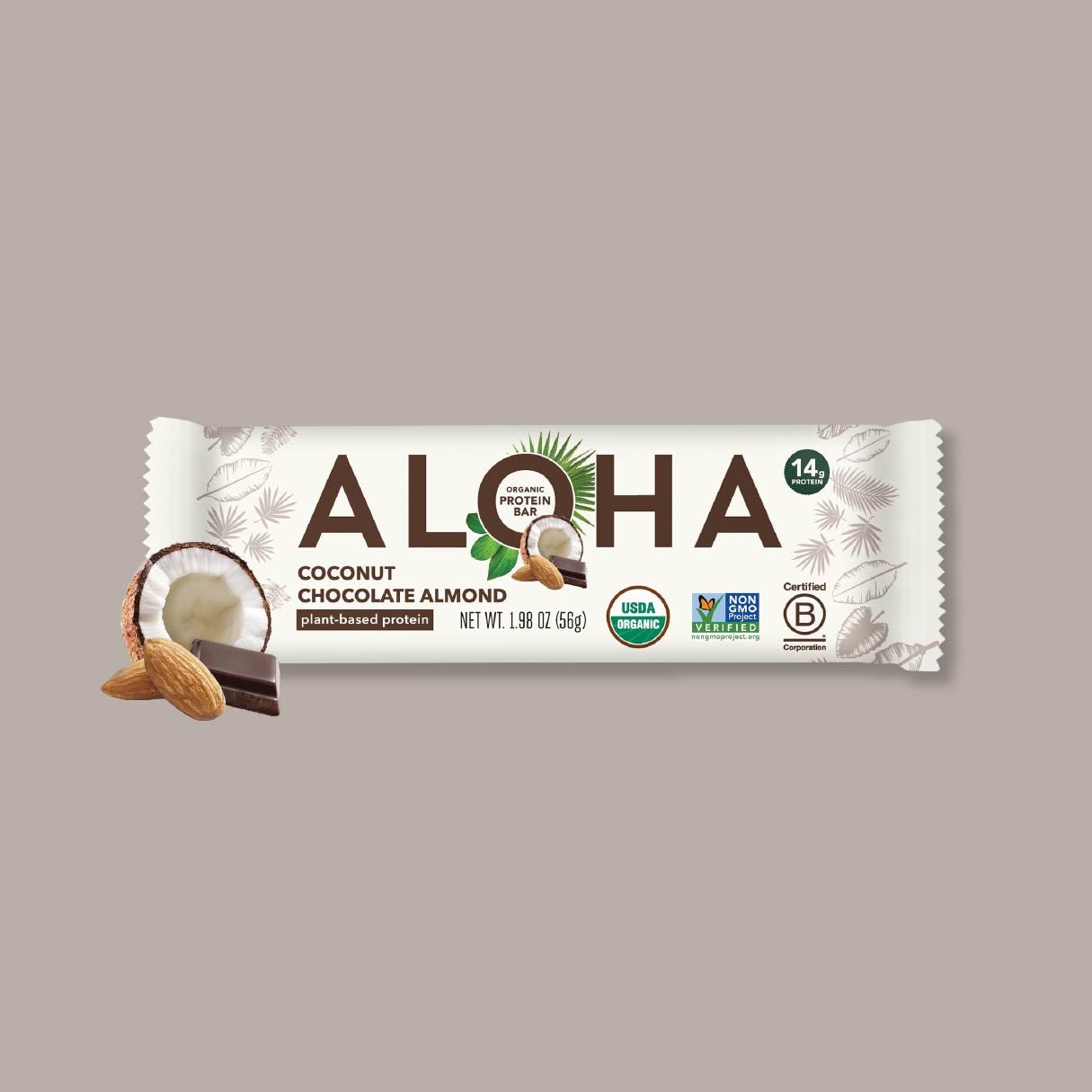
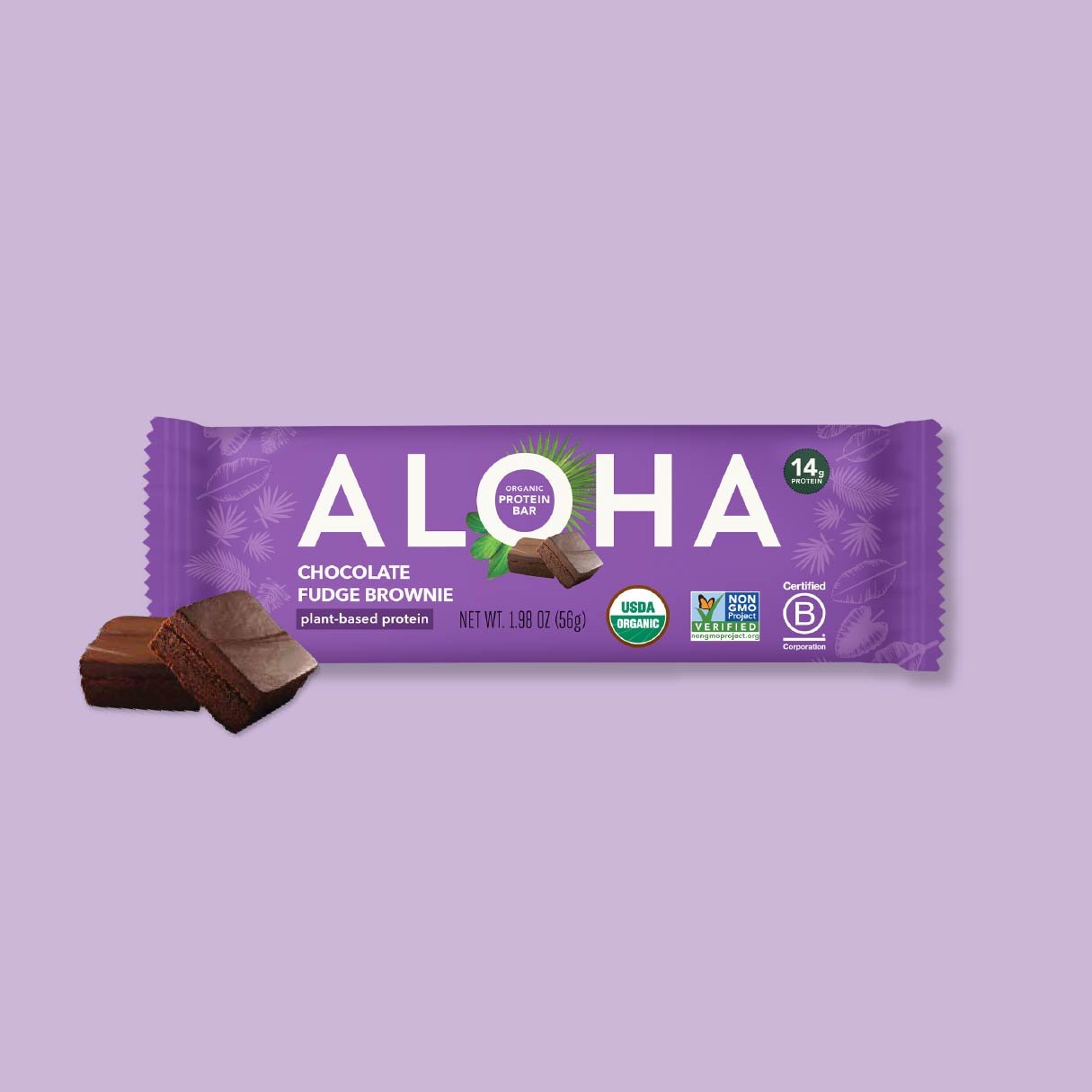
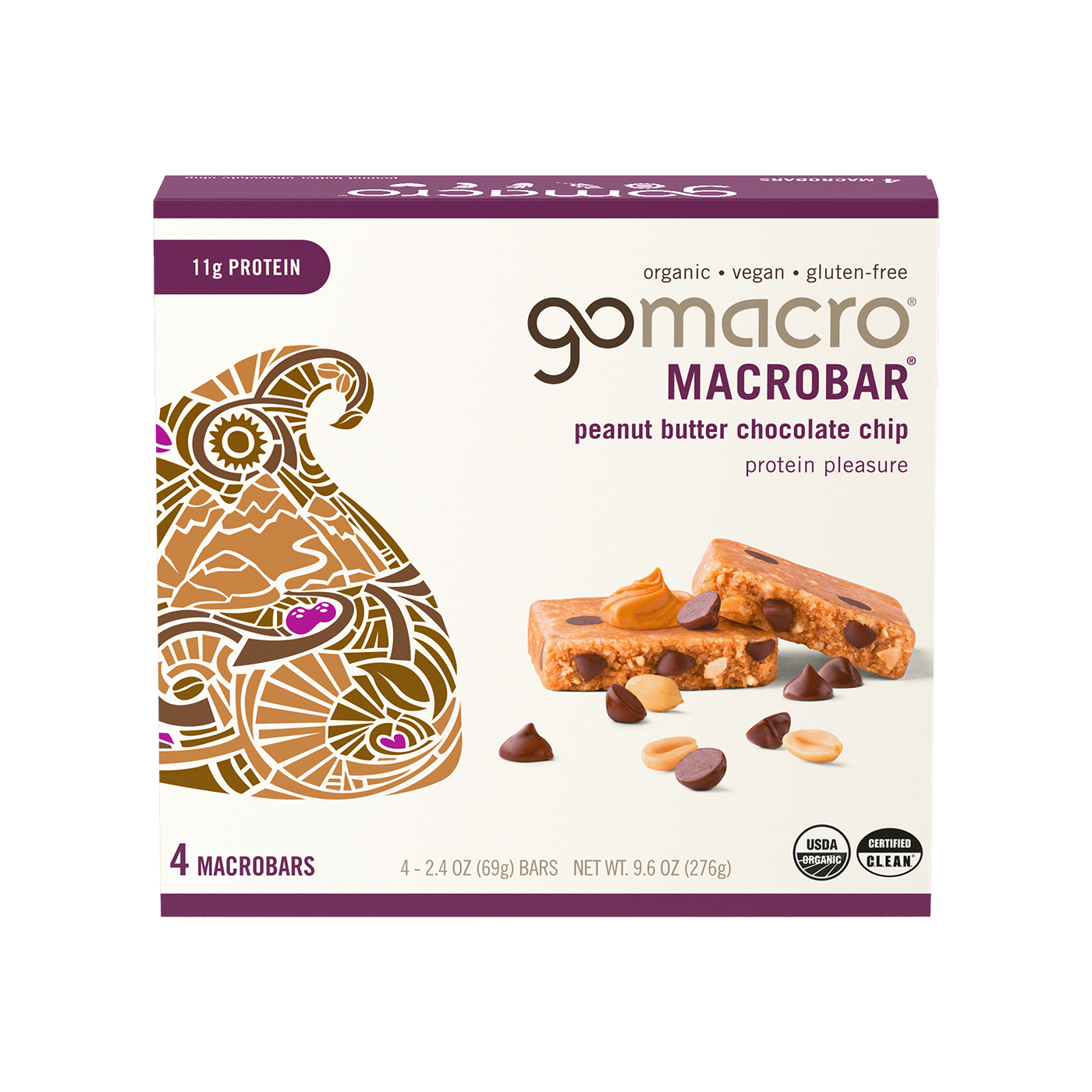
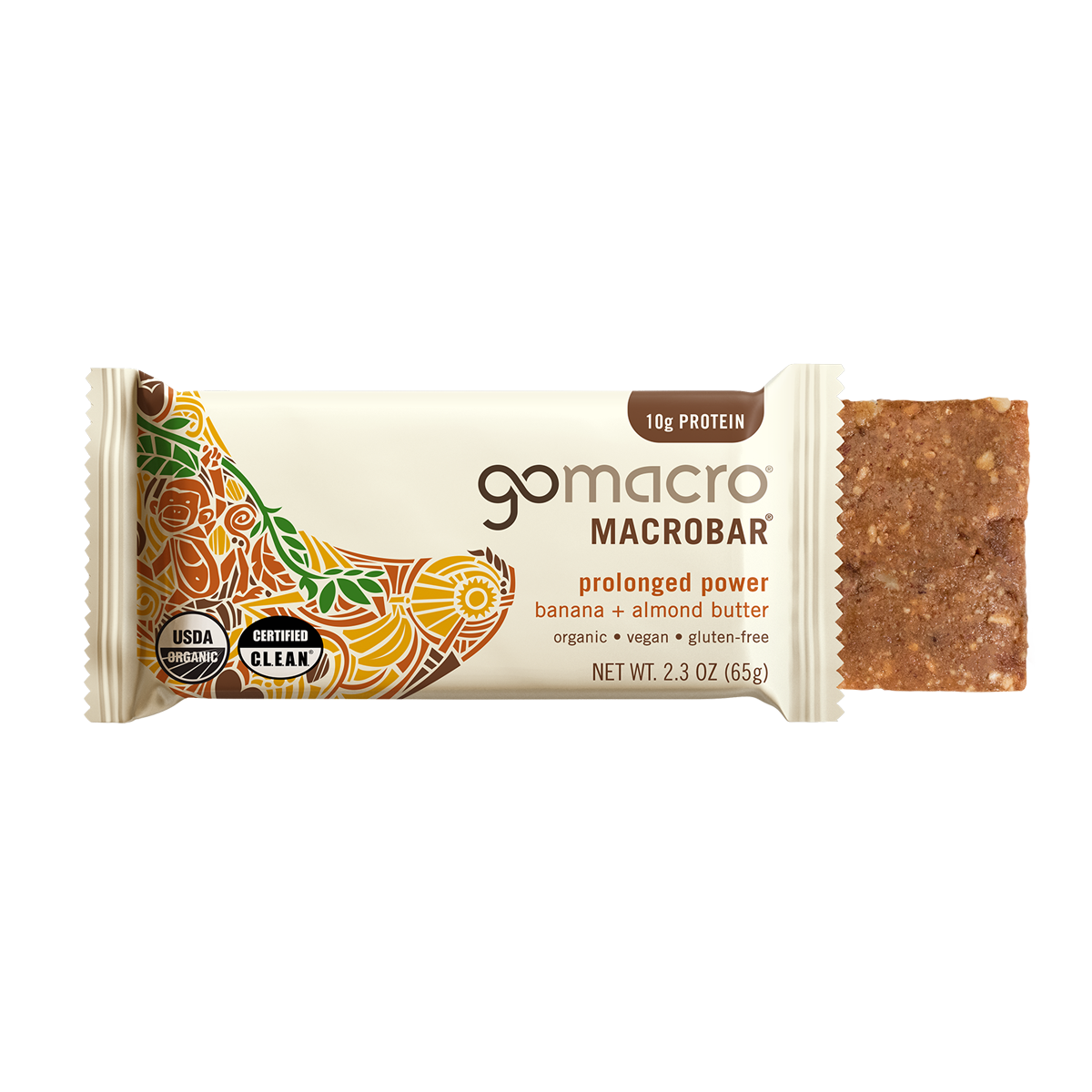
Aloha, GoMacro, and No Cow are the three pillars on this shelf. Aloha uses an organic pea-and-brown-rice blend, delivers 14 g protein per bar, and runs ~$2 to ~$3 per bar across Amazon and Whole Foods. GoMacro is more macrobiotic in feel, with sprouted brown rice and pea protein, 11 to 12 g protein per bar, and a higher ~$3 per bar price tag. No Cow swings the other way: pea isolate forward, 20 g protein per bar, lower sugar, and ~$2 to ~$3 per bar. Vega and PROBAR Base fill out the rest of the lineup.
Plant bars look more expensive per bar, but the cost-per-gram-of-protein gap closes once you account for organic ingredients and date-based formulas. Read the panel for two things: a complete amino acid profile (look for pea plus rice, or soy isolate, which on its own is complete), and added sugar under 8 g for a bar you eat daily. Our Value Score sorts every bar on this page by grams of protein per dollar.
Top Picks in Plant-Based Bars
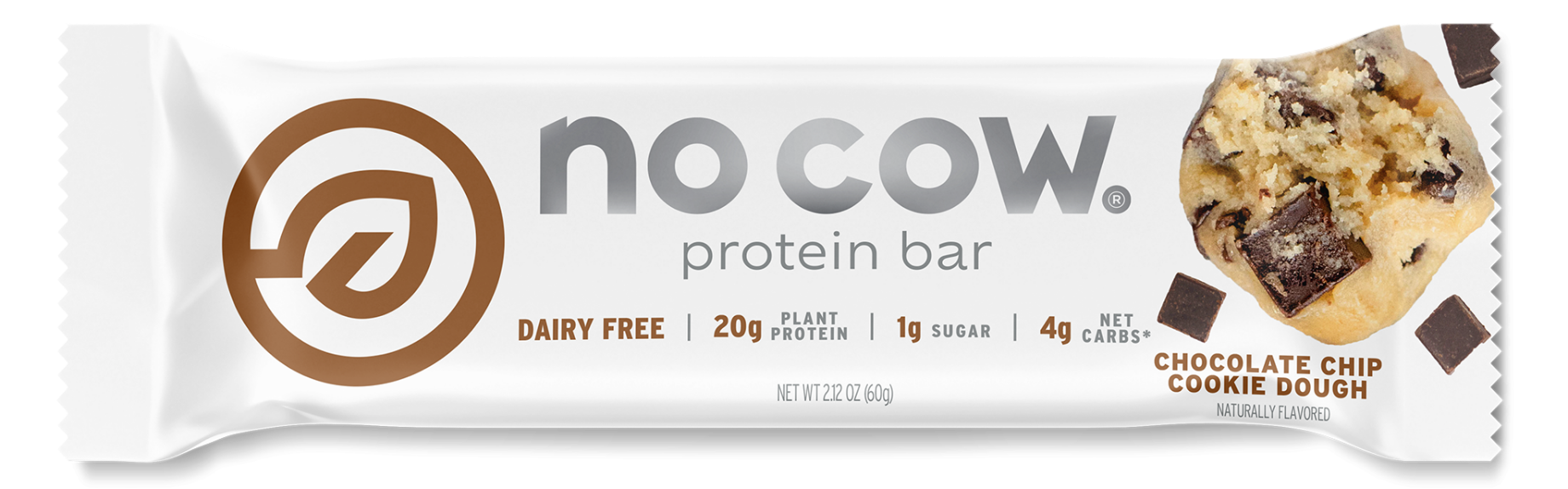
- Best high-protein vegan pick: No Cow Chocolate Chip Cookie Dough (12-pack). 20 g pea protein, 1 g sugar, and the only entry that competes with whey bars on grams per dollar.
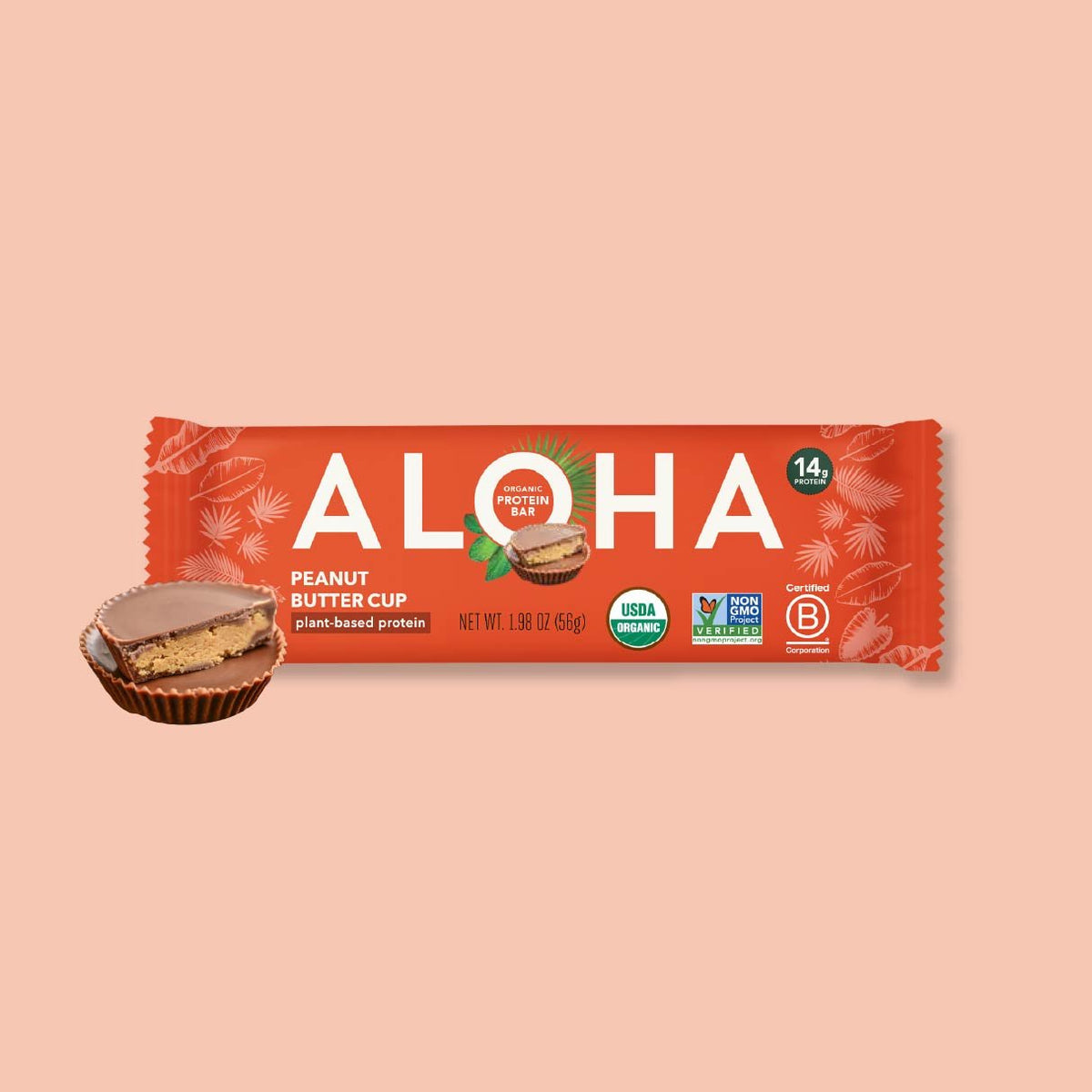
- Best for clean ingredients: Aloha Peanut Butter Cup. Organic, non-GMO, 14 g protein, and the smoothest texture in the Aloha range.
- Best whole-food feel: GoMacro Peanut Butter Chocolate Chip. Sprouted brown rice + peas + dates; closer to a chewy granola bar than a protein bar.
- Best brownie-style: Aloha Chocolate Fudge Brownie. Genuinely tastes like a fudge brownie, which is rare in the plant category.
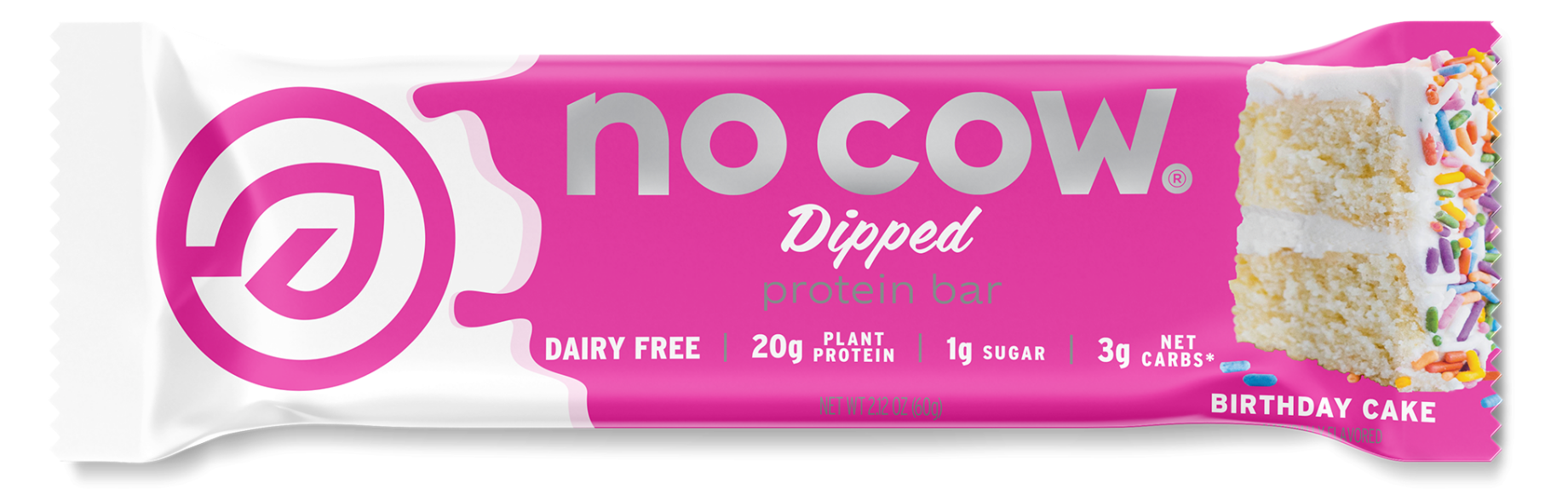
- Best birthday-cake flavour: No Cow Birthday Cake. Vegan birthday-cake bars are usually grim; this one actually works.
Frequently Asked Questions
Are plant-based protein bars as effective as whey bars?
For total daily protein, yes. Pea and rice blended together deliver a complete amino acid profile and stimulate muscle protein synthesis. Whey has a small edge on leucine content and absorption speed, which matters most around training. For a between-meals bar, the difference is negligible.
Why do plant bars usually have less protein per bar?
Pea isolate has a slightly more bitter flavour than whey isolate, so brands often cap it at 12 to 16 g per bar to keep taste acceptable. No Cow is the exception and runs at 20 g by leaning heavily on cocoa and sweetener to mask the pea note.
Are plant bars lower in calories?
Aloha bars are 200 to 220 kcal; GoMacro is 220 to 290 kcal; No Cow is 180 to 200 kcal. They are not automatically lighter than whey bars. If calorie control matters, compare the panel directly rather than assuming "plant = light".
Are these bars gluten-free?
Aloha, GoMacro, and No Cow all certify gluten-free for their core ranges. Some PROBAR products are not. Check the box, especially for limited-edition flavours.
Why is pea protein gentler on digestion than whey?
Plant protein bars do not contain lactose, which is the most common gut-trigger in whey bars. If whey bars leave you bloated, swapping to a pea-or-pea-rice bar is usually enough to resolve it.
Are plant bars worth the extra cost?
If clean ingredients, organic certification, or dairy avoidance matter to you, yes. If you only care about grams per dollar, a Pure Protein or Quest whey bar will beat almost any plant bar on price. Trade-off is real but personal.
What about a plant-based drink instead?
If you want the protein hit without a bar, plant-based RTDs like OWYN and Aloha shakes give you 20 g protein for ~$3 to ~$4 per bottle.