Best Protein Powder for Keto and Low-Carb

Under 3 grams of carbs per scoop, with the macros to fit a strict ketogenic diet. Here are the categories that work and the specific picks worth tracking.
The keto rule of thumb. Whey isolate or hydrolyzed whey, never concentrate or mass gainer. Read the carb line on the panel before the price.
Why most protein powders fail on keto
Standard whey concentrate carries 2 to 5 grams of carbs per scoop from residual lactose. For a strict ketogenic diet capping carbs at 20 to 30 grams per day, two daily shakes can eat 20 percent of the budget before any food.
Flavored tubs often add small amounts of maltodextrin or other carbs as flow agents and sweetener carriers, pushing the per-scoop carb count higher. Mass gainers are even further out of bounds.
The fix is filtration depth and macro selection. Isolate strips most of the lactose. Hydrolyzed adds nothing. Plant blends vary widely.
Which categories actually work
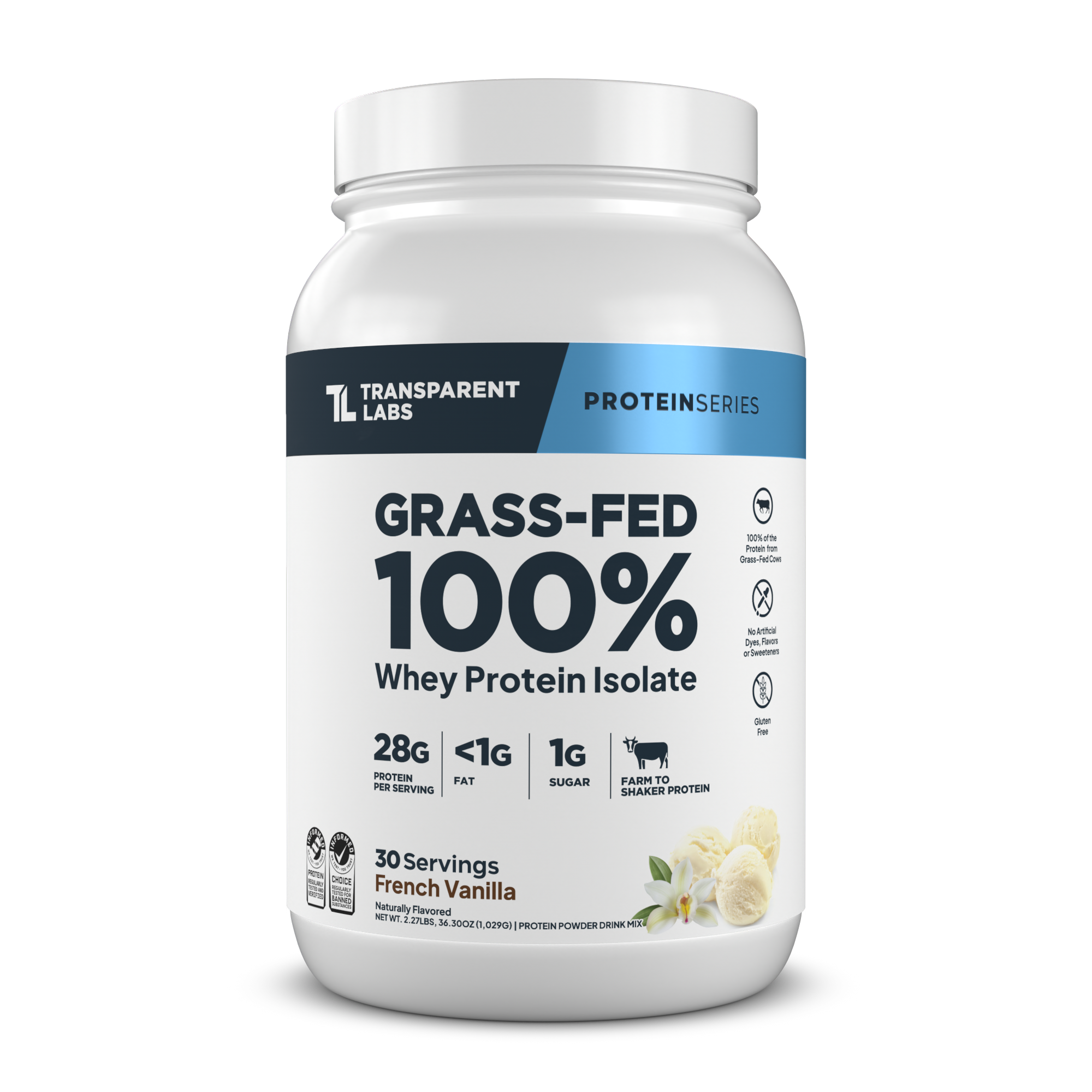
Whey isolate is the cleanest keto-compatible option. Under 1 gram of lactose per scoop plus minimal added carbs typically lands the total under 3 grams per serving.
Hydrolyzed whey is built on isolate and similarly low. Premium hydrolyzed products often hit under 1 gram total carbs.
Some plant blends qualify, but watch for added starches and sweetener systems. Pea protein isolate without flavoring is naturally low-carb; flavored plant blends can vary.
| Category | Typical carbs per scoop | Keto verdict |
|---|---|---|
| Whey isolate | 1 to 3 g | Yes |
| Hydrolyzed whey | 0 to 2 g | Yes |
| Whey concentrate | 3 to 6 g | Usually not strict |
| Whey blend | 3 to 5 g | Marginal |
| Casein (micellar) | 2 to 4 g | Yes |
| Plant isolate (pea) | 1 to 4 g | Yes |
| Mass gainer | 50 to 80 g | No |
What to look for on the label
Total carbs under 3 grams per scoop. Sugars under 1 gram. No maltodextrin in the first five ingredients.
Bonus: added MCT oil or coconut oil for keto-style fat boosting (optional, not required).
Sweetener choice is mostly personal preference. Sucralose, stevia, and acesulfame potassium are all keto-compatible.
Finding keto-friendly tubs
Our whey isolate category defaults to low-carb options. Sort by Value Score for current leaders.
For variety, browse the casein category for evening shakes and the plant category if you want non-dairy options.
What to avoid
Choosing concentrate because it is cheaper. The carb math can break your ketosis budget. Isolate at a 25 percent premium is the right call.
Trusting "keto" labels without checking the panel. Some "keto-friendly" tubs add MCT oil but still carry 5+ grams of carbs.
Forgetting that flavored RTDs often have more carbs than the powder version of the same product.
Walking the macro budget
On a strict ketogenic diet capping total carbs at 20 to 30 grams per day, every gram of carbs in your protein powder counts against the day budget. A concentrate shake at 4 grams of carbs eats 13 to 20 percent of your daily allowance. Two shakes push you to 26 to 40 percent before any food has been eaten.
Isolate at 1 to 2 grams of carbs per scoop is roughly three to four times more macro-efficient. Across two daily shakes, the carb savings free up room for vegetables, dressings, or condiments that you would otherwise have to skip to stay in ketosis.
For very-low-carb keto (under 20 grams of total carbs daily), hydrolyzed whey or plant isolate is the safer pick. Both can land under 1 gram of carbs per scoop with careful brand selection.
How much protein on keto?
Standard keto macros target moderate protein (around 0.7 to 1.0 grams per pound of lean body mass) rather than the high-protein intake typical of bodybuilding diets. Excess protein above the body needs can theoretically convert to glucose via gluconeogenesis, though in practice this rarely disrupts ketosis for adapted users.
Practical target: a daily protein intake that supports muscle maintenance without massively exceeding it. For a 175 pound lifter, that lands around 120 to 140 grams. Two shakes a day at 25 grams each covers half this target, with the remainder coming from meat, eggs, fish, and dairy.
Tracking matters more than agonizing. Hit your protein target consistently across the day, keep carbs under your ketosis threshold, and adjust based on ketone testing if you want precision.
A simple keto stack
One tub of whey isolate (vanilla or chocolate) covers daily shakes. One tub of micellar casein covers evening or long-gap shakes. Both stay under 3 grams of carbs per serving and fit a strict keto macro budget.
Add an MCT-enhanced option only if you are specifically targeting higher fat intake without solid food. For most keto users, plain isolate plus casein covers the protein side of the diet without complication.
Pair this stack with a consistent meat-and-vegetable meal pattern and the protein side of keto becomes a non-issue. The harder part of keto is usually managing carb creep from sauces, condiments, and processed snacks, not protein selection.