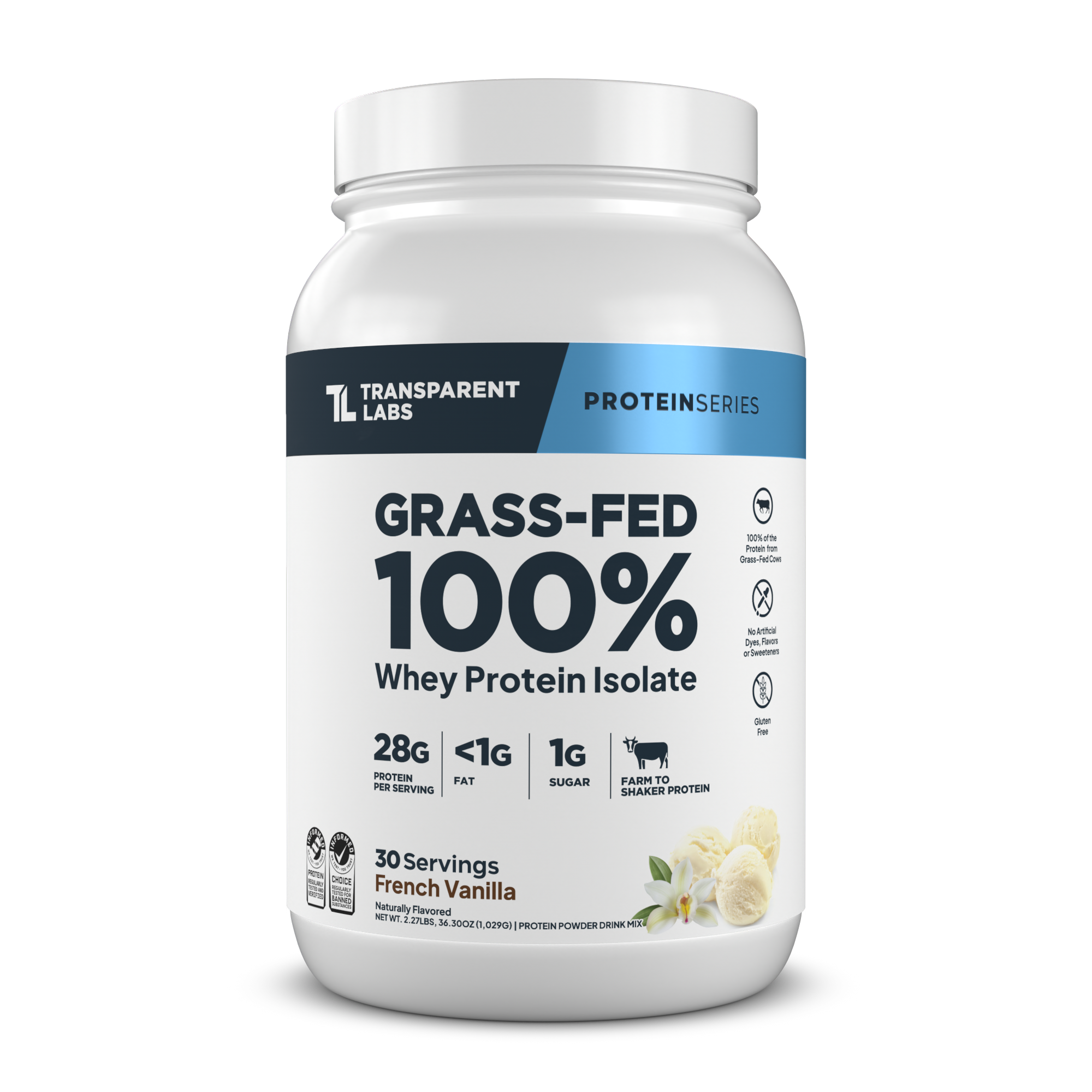
Whey Isolate vs Concentrate: Pure Filter Math

Both are whey. The only real difference is how hard the filter works. Here is what that extra filtration buys you and what it costs.
Quick answer. Concentrate is the default. Isolate solves three specific problems: lactose, cut-phase macros, and shake texture preference.
Why the two forms exist
Whey concentrate was the original form. From the 1980s through the early 2000s, almost all commercial whey protein on the market was concentrate. As filtration technology improved and consumer interest in low-carb diets grew, isolate became the natural premium tier.
Today both forms coexist because they solve different problems. Concentrate optimizes cost. Isolate optimizes purity. The amino acid profile is essentially identical; the difference is what comes along for the ride.
The filtration path
Liquid whey starts at about 0.6 percent protein. Initial concentration through ultrafiltration yields a concentrate at 70 to 80 percent protein on a dry-weight basis. This is the cheapest stopping point because it requires the fewest filtration passes.
To produce isolate, the concentrate is filtered further using cross-flow microfiltration with finer membranes, ion-exchange chromatography, or both. The result reaches 85 to 95 percent protein with most non-protein components stripped out, including nearly all lactose and most fat.
Each additional filtration step adds cost, which is why isolate is consistently more expensive. The cost premium is roughly proportional to the additional processing depth.
| Spec | Concentrate | Isolate |
|---|---|---|
| Protein % | 70 to 80 | 85 to 95 |
| Lactose per scoop | 3 to 4 g | under 1 g |
| Carbs per scoop | 2 to 5 g | 1 to 3 g |
| Fat per scoop | 1 to 3 g | 0 to 1 g |
| Cost per gram protein | Lowest | 20 to 40% higher |
| Mouthfeel | Creamy | Thinner |
| Best for | General use, baking, value | Lactose-sensitive, cutting |
Three reasons to pay for isolate
Lactose sensitivity is the most common. If concentrate causes bloating or gas, isolate almost always solves it. The trace lactose is below the symptom threshold for most sensitive users.
Tight cutting macros are the second. When every gram of carbs counts in a contest prep or cut, isolate frees up roughly 3 to 4 grams per shake. Across multiple shakes per day, that adds up.
Shake texture is third and most personal. Some lifters prefer the thin, cleaner isolate texture. Others find concentrate creamier and more satisfying. Try both before committing to bulk-tub purchases.
How we surface the best of each
Each form has its own category page so you can compare directly. The whey isolate category is sorted by Value Score across our 12 tracked retailers, as is the whey concentrate category.
Look at cost per gram of protein, not per scoop. A 30 gram isolate scoop with 25 grams of protein versus a 32 gram concentrate scoop with 24 grams of protein normalizes to a clearer comparison.
Common mistakes to avoid
Buying isolate "just in case" when you have no lactose issue. You are paying a premium for filtration you do not need.
Buying concentrate when you bloat from dairy. The cheaper price stops being a value when you can not finish the tub.
Comparing brands of different forms without normalizing for cost per gram of protein.
A word on isolate-listed-first blends
Watch the bestseller shelves and you will see many tubs that prominently feature "isolate" on the front but list ingredients as "whey protein isolates, whey protein concentrate" on the back. The ingredient order is technically accurate (isolate is listed first by weight) but the actual ratio is often 30/70 isolate to concentrate.
These blends taste cleaner than pure concentrate (the isolate fraction lightens the mouthfeel) and cost less than pure isolate (concentrate is cheaper to manufacture). For most users they are an excellent middle ground.
How to tell what you actually have: divide protein per scoop by total scoop weight. Above 80 percent protein density indicates mostly isolate. Below 78 percent indicates mostly concentrate with isolate listed for marketing.
Absorption speed compared
Concentrate amino acids reach blood circulation in roughly 30 minutes, peak at 90 minutes, and return to baseline at 3 hours. Isolate is about 15 to 20 percent faster across each of those checkpoints.
For muscle protein synthesis the total area under the amino curve matters more than peak speed. At equal protein doses both forms produce comparable muscle outcomes. The speed advantage of isolate matters in narrow contexts (intra-workout sipping, very tight post-event recovery) rather than for typical post-gym shakes.
If you are buying isolate for the speed difference alone, the upgrade is real but small. If you are buying for the lactose reduction or the macro profile, the upgrade is meaningful.
Pick the simpler default
Most healthy lifters get the best outcome from a concentrate or a blend with a small isolate fraction. Move to a pure isolate when you have a clear reason: lactose, a cut, or a strong texture preference.
The bigger lever is hitting your daily protein target consistently. A tub of concentrate you finish beats a tub of isolate you do not. Optimization on form is a secondary concern to consistency on intake.
For most readers the right answer is: start with a value blend or concentrate, switch to isolate only when you identify a specific reason to.