Lactose-Free Protein Powder Options

If concentrate makes you bloat, there are three good paths out: isolate, hydrolyzed whey, or plant protein. Here is how each one solves the problem and which fits your goals.
Start here. Try a pure whey isolate first. If it still triggers symptoms, the issue is likely milk allergy or casein sensitivity, not lactose, and you should move to a plant blend.
Why concentrate causes problems
Lactose intolerance affects roughly 65 percent of adults worldwide, with the highest rates in East Asian, African, and Native American populations and the lowest in Northern European populations. The cause is reduced production of lactase, the enzyme that breaks lactose into glucose and galactose for absorption.
Whey concentrate contains 3 to 4 grams of lactose per scoop. For someone with mild intolerance, that crosses the symptom threshold easily, producing bloating, gas, and discomfort within an hour of a shake.
The fix is straightforward: reduce the lactose. Two ways to do that are filtering more lactose out (isolate, hydrolyzed) or eliminating it entirely by switching to non-dairy sources (plant).
Three solution paths
Whey isolate brings lactose under one gram per scoop, which most sensitive users tolerate. This is the cheapest fix for people who still want a dairy-based protein and care about the macro profile.
Hydrolyzed whey is built on an isolate base and adds enzymatic predigestion, which can further reduce gut load. Useful for users who still react to standard isolate.
Plant protein removes the question entirely. No lactose, no dairy proteins. Pea-rice blends or soy isolates are the practical choices for muscle building.
| Solution | Lactose per scoop | Typical cost relative | Best for |
|---|---|---|---|
| Whey isolate | under 1 g | 20 to 40% over concentrate | Mild to moderate intolerance |
| Hydrolyzed whey | ~0 g | 60 to 100% over concentrate | Severe intolerance, fast absorption needs |
| Plant (pea-rice) | 0 g | Roughly equal to isolate | Full dairy avoidance, vegan diets |
| Soy isolate | 0 g | Comparable to whey isolate | Complete amino profile, no dairy |
How to pick between the three
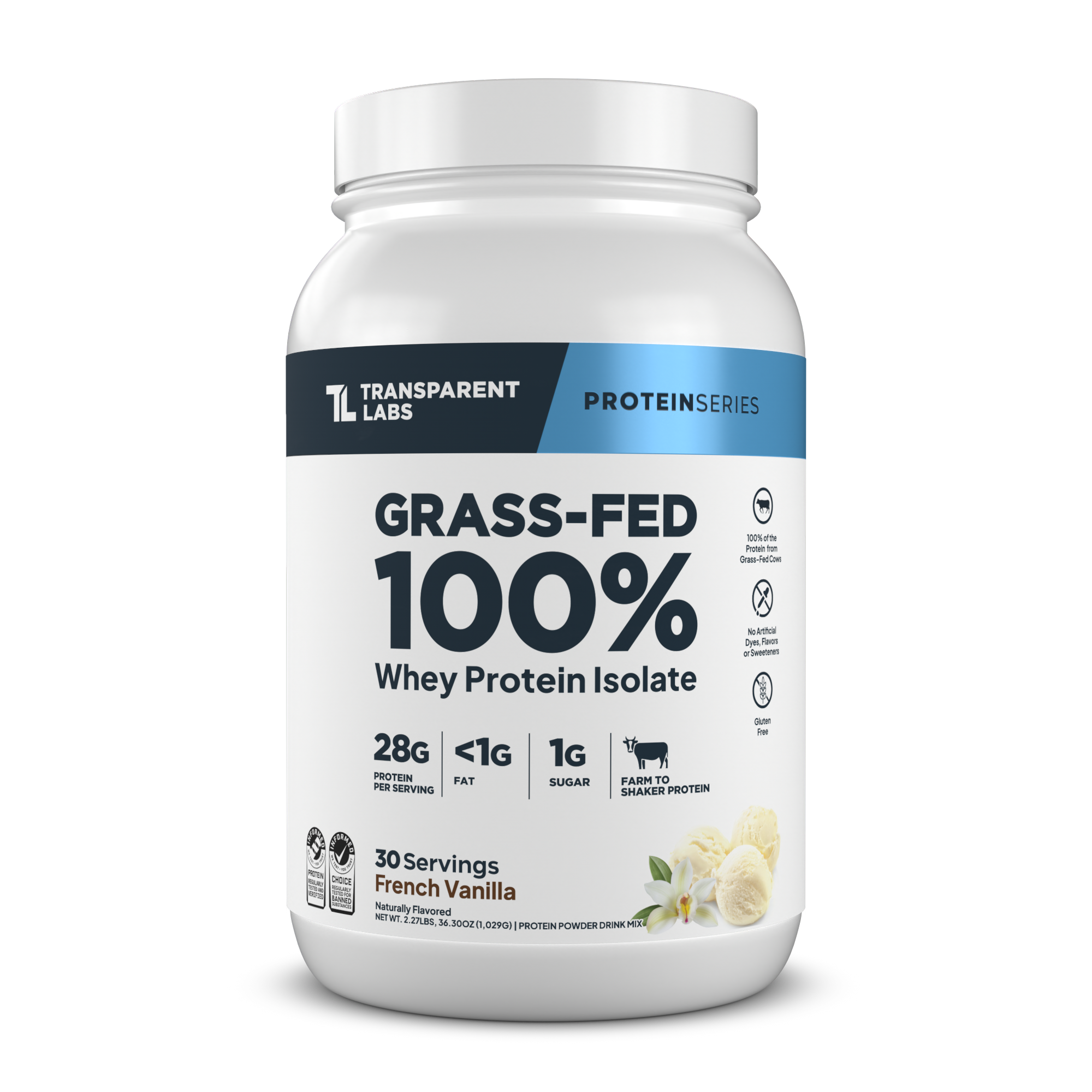
If your goal is muscle gain and you tolerate small amounts of dairy, a quality whey isolate is the simplest answer. Brands like Nutricost, Dymatize ISO100, and Transparent Labs offer well-tested options across price tiers.
If you have severe intolerance or a confirmed milk-protein allergy, switch fully to plant. A pea-rice blend matches whey on completeness and avoids dairy entirely.
For travel and convenience, pre-mixed RTDs labeled "lactose-free" (notably Fairlife and Premier varieties) handle the on-the-go case without requiring a tub.
Finding lactose-friendly options on the site
Our whey isolate category defaults to sub-one-gram-lactose products. The plant protein category is by definition lactose-free.
Both are ranked by cost per gram of protein, so you can find the leanest-priced option that fits your tolerance.
What to avoid
Assuming all "premium" whey is lactose-free. Some premium products are concentrate-isolate blends that still carry 2 to 3 grams of lactose per scoop. Read the label.
Buying a single-source plant protein (pea alone or rice alone) and expecting whey-equivalent amino completeness. Choose a blend.
Confusing lactose intolerance with milk allergy. If symptoms include hives, swelling, or anaphylaxis-style reactions, you have an allergy, not intolerance, and you must avoid all whey including isolate.
A note on lactase enzyme pills
Some users dose lactase enzyme pills (Lactaid and similar) with concentrate shakes to enable lactose digestion. This works for mild intolerance but adds cost per shake (10 to 30 cents per dose) and requires remembering to take the pill.
For a daily shake habit, the math usually favors switching to isolate over chronic enzyme use. The 20 to 40 percent premium per gram on isolate compares favorably to multiple enzyme pills per week.
Reserve enzyme use for occasional concentrate consumption (a friend's shake, a restaurant smoothie) rather than as a daily-shake strategy.
Picking a plant blend
For full dairy avoidance, look for a multi-source plant blend rather than a single-source product. The most common effective pairing is pea + rice, which combines pea protein high in lysine with rice protein high in methionine to deliver a complete amino acid profile.
Soy isolate is the other strong option: naturally complete in amino acids and well-tolerated by most users. Concerns about phytoestrogens in soy are largely overstated for typical supplementation doses.
Hemp, pumpkin seed, and other novel plant proteins are options but typically deliver less leucine per scoop. Use them for variety, not as your primary muscle-building tub.
A simple selection rule
Mild intolerance: whey isolate. Severe intolerance: hydrolyzed whey or plant. True dairy allergy: plant only. The price gap between solutions is small enough that you should optimize for tolerance first, then sort by Value Score.
Once you find a tub your gut accepts, hitting your daily protein target gets dramatically easier. The biggest barrier to consistency for lactose-sensitive users is buying the wrong tub repeatedly; this guide is designed to stop that cycle.
Switch tubs in a controlled way: try a small isolate format first, drink it for a week, and only commit to a 5lb tub once your gut confirms tolerance. Bulk-buying an isolate that still triggers symptoms is the most expensive way to learn.