Clean-Label Protein Bars: Best Value First


Other Bar Sub-Categories
Clean-Label Protein Bars: Buyer's Guide
Clean-label bars trade synthetic sweeteners, sugar alcohols, and protein blends for short ingredient panels you can actually pronounce. The shorthand most buyers use is the "fewer than 10 ingredients" test, with dates, nuts, oats, and egg-white or pea protein doing most of the work. The trade-off is more natural sugar (8 to 18 g per bar) and slightly lower protein density compared with high-protein bars.
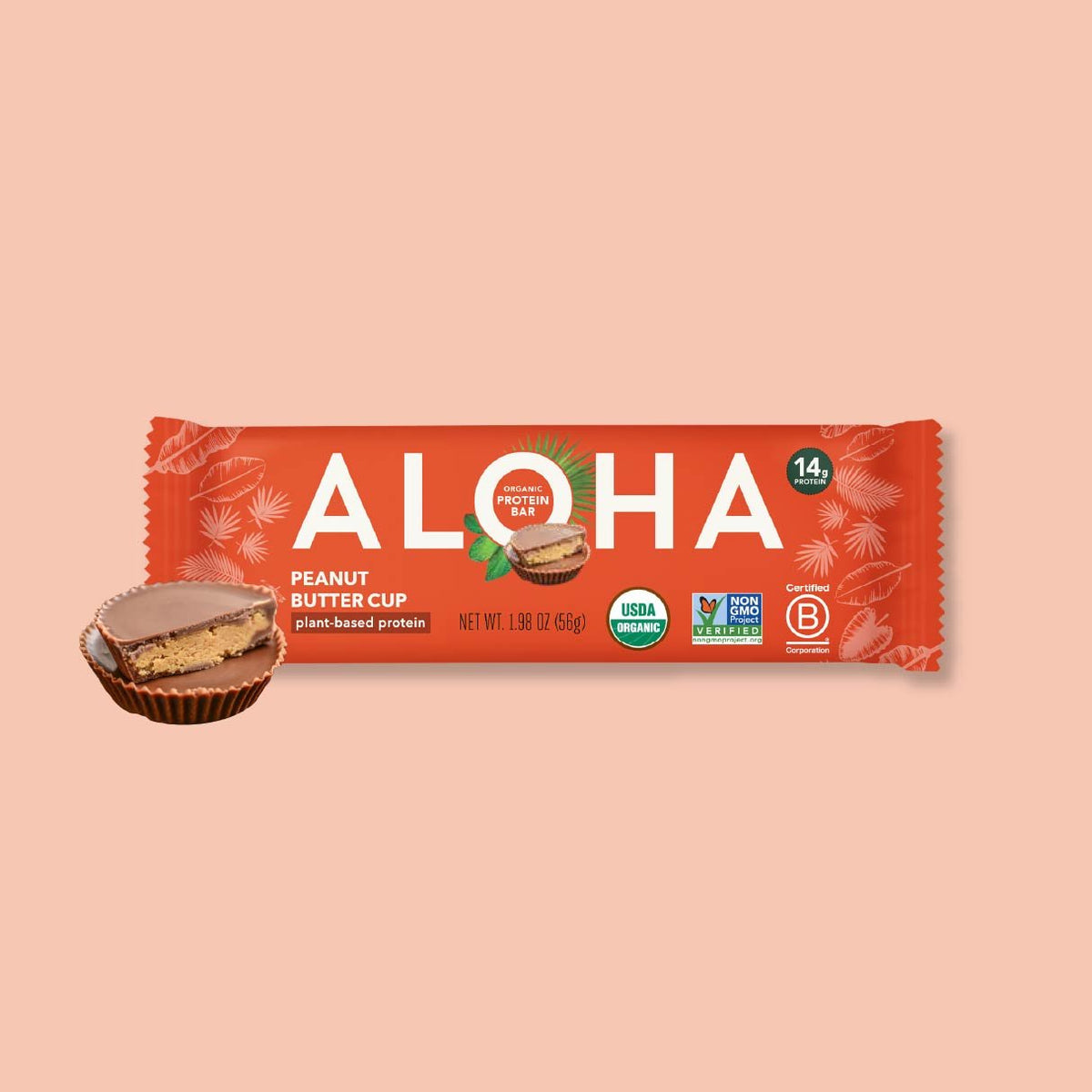
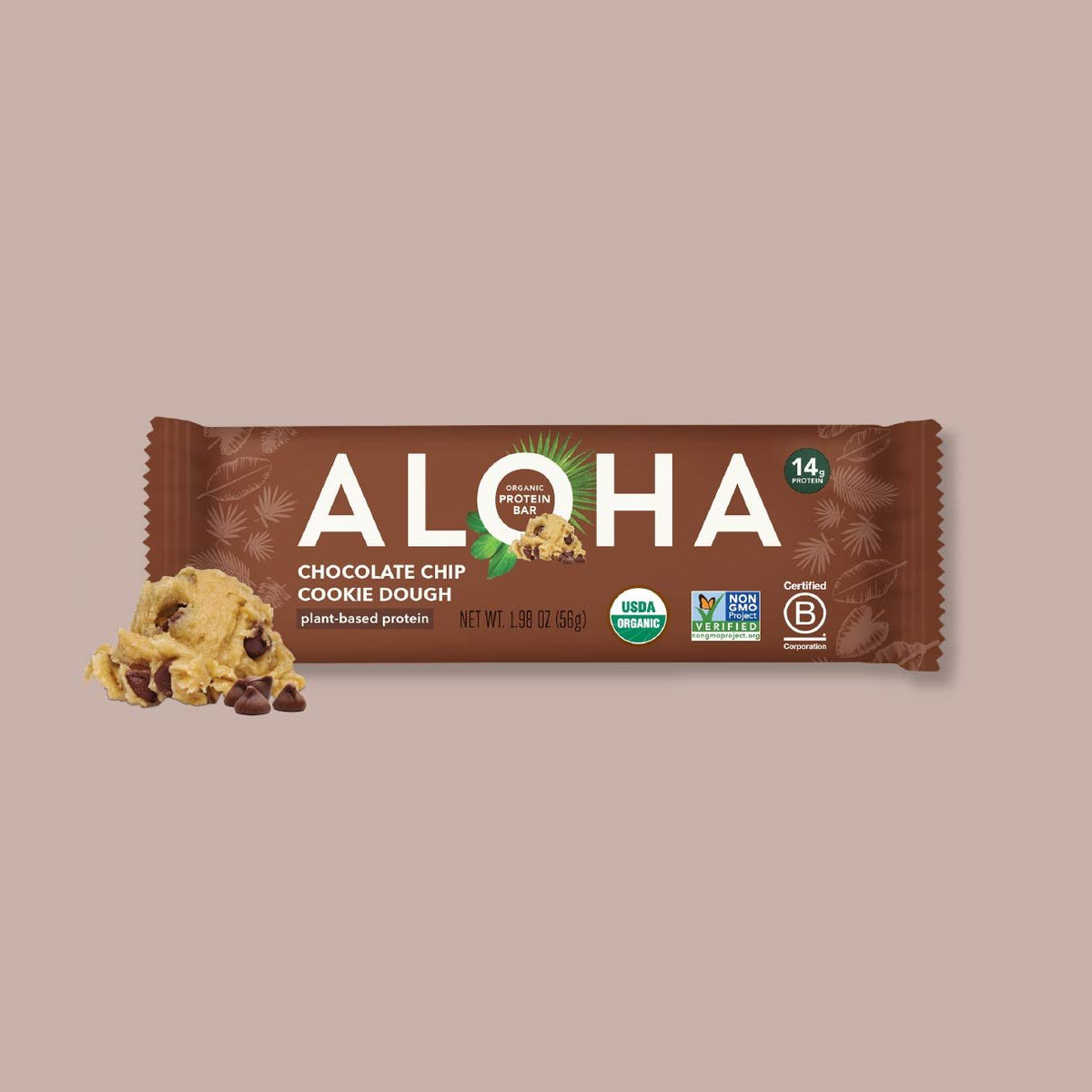
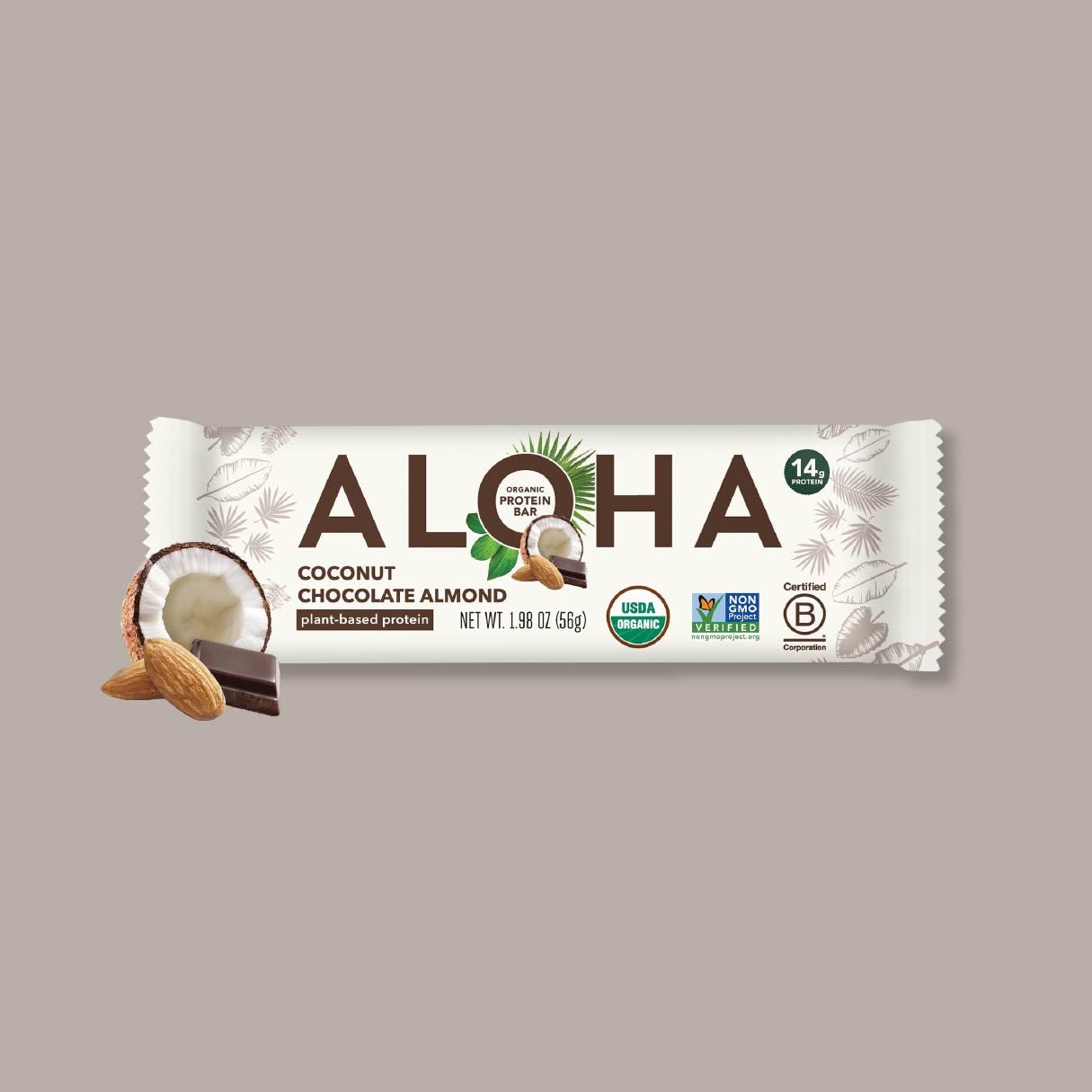
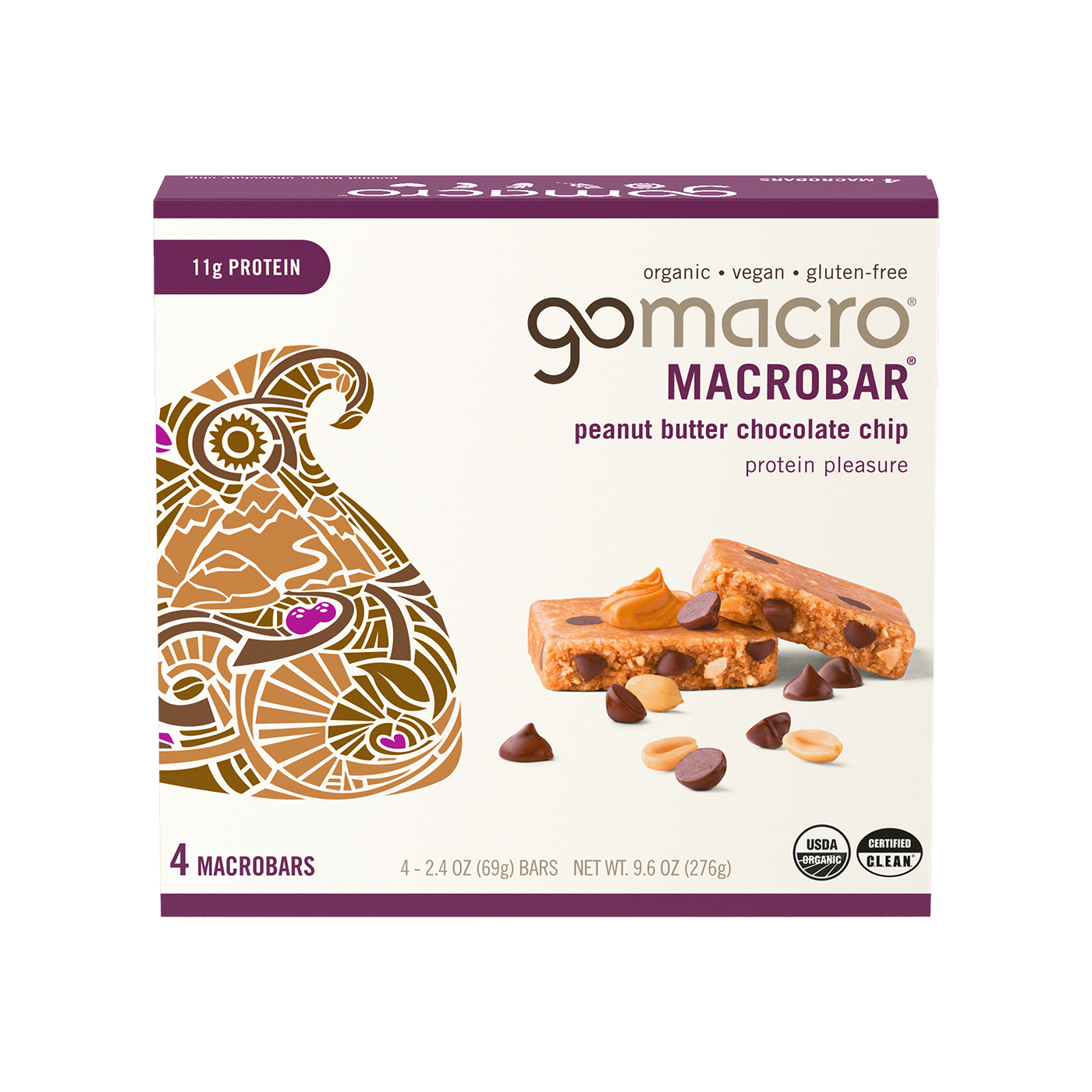
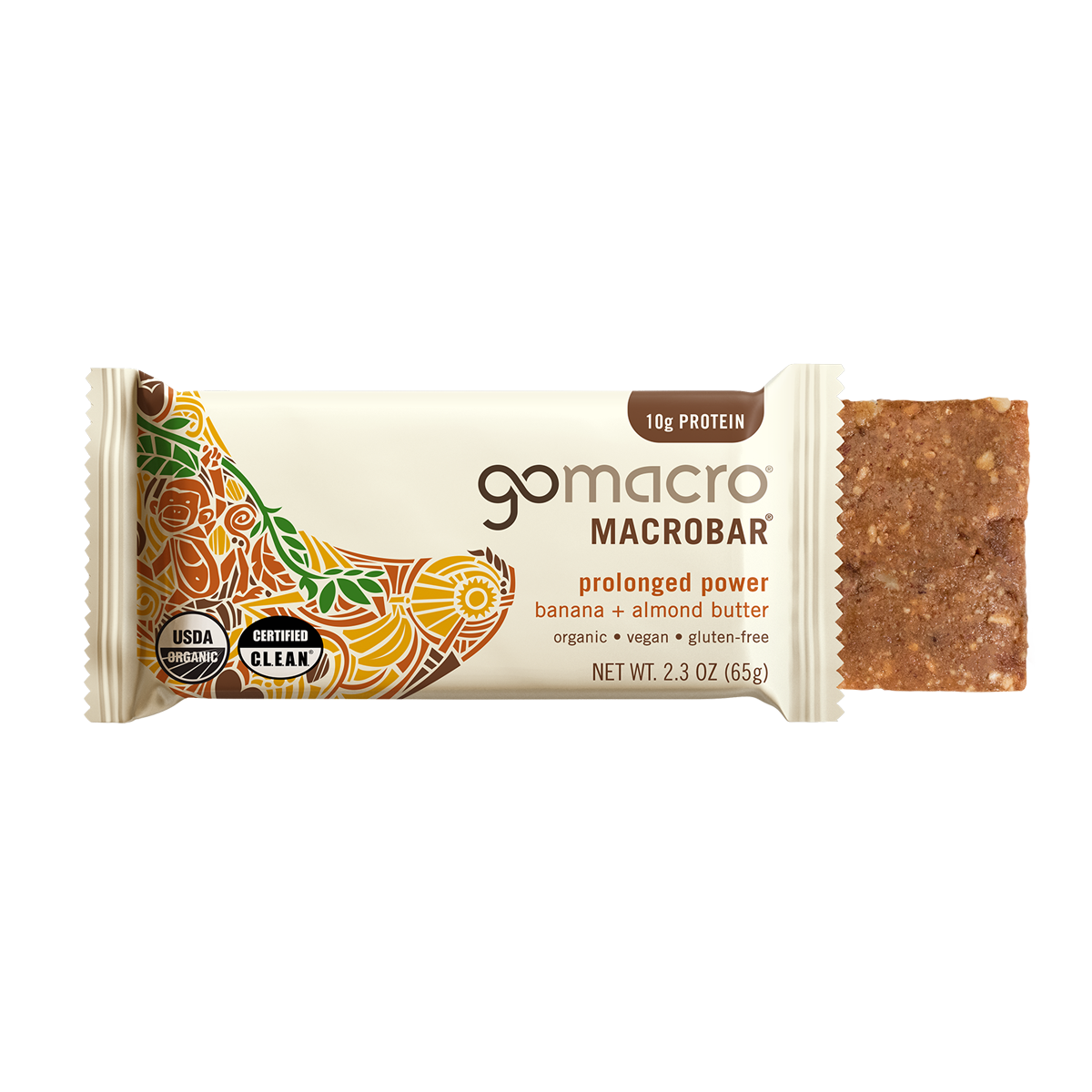
RXBAR is the category benchmark with five-ingredient bars built around egg whites, dates, and nuts. Pricing usually sits at ~$2 to ~$3 per bar in 12-packs at Walmart and Amazon. Aloha runs organic, plant-based, and certified non-GMO, at ~$2 to ~$3 per bar. GoMacro pushes further on the macrobiotic side with sprouted brown-rice protein and organic dates, at ~$3 per bar. Lärabar (not yet tracked here) and Skout Organic occupy the same shelf.
What to look for: an ingredient list under 10 items, no maltitol or sucralose, at least 10 g protein per bar, and a recognisable protein source (egg whites, almonds, pea, rice). Sugar should be naturally occurring from dates or fruit, not added cane sugar. Our Value Score ranks every clean-label bar by grams of protein per dollar so you can see whether the premium is justified for your goals.
Top Picks in Clean-Label Bars
- Best minimalist pick: RXBAR Chocolate Sea Salt (12-pack). Five ingredients on the front of the box, 12 g protein, no sweeteners or sugar alcohols.
- Best for an everyday driver: RXBAR Peanut Butter. Higher fat than the chocolate variant; keeps you full longer.
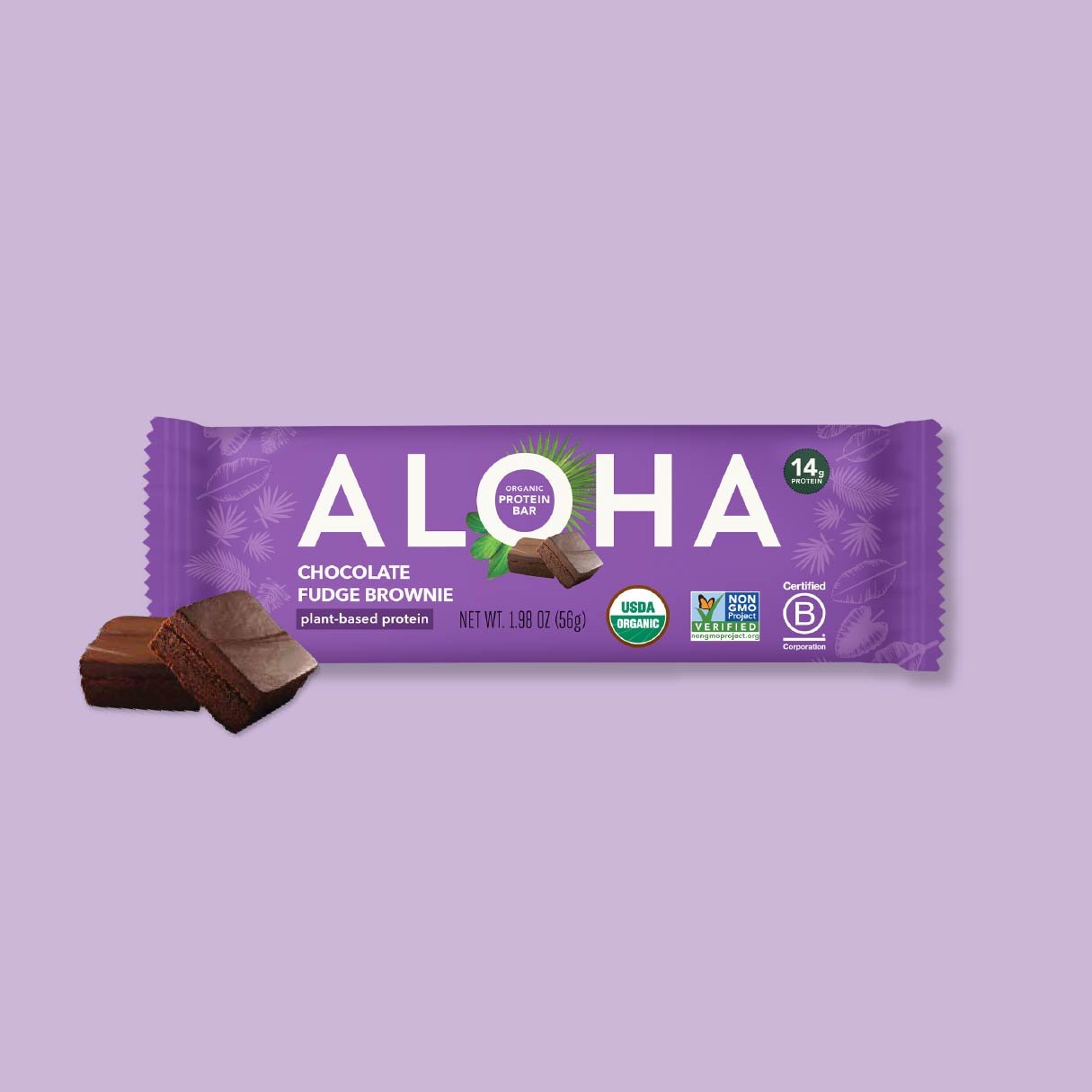
- Best plant-based clean-label: Aloha Chocolate Fudge Brownie. Organic, vegan, 14 g protein, no stevia aftertaste.
- Best whole-food snack feel: GoMacro Peanut Butter Chocolate Chip. Closer to a granola-bar texture, with dates as the binder.
- Best fruit-forward bar: RXBAR Blueberry. Lighter on the palate than the chocolate or PB SKUs; good morning option.
Frequently Asked Questions
What does "clean label" actually mean?
There is no FDA definition. We use a working test: under 10 recognisable ingredients, no sugar alcohols, no artificial sweeteners, and a protein source that you would cook with at home (egg whites, almonds, pea, rice). The shelf moves on this regularly, so we re-check ingredient panels each quarter.
Why is the sugar count higher than a Quest bar?
Clean-label bars rely on dates, fruit, or honey for sweetness, which all show as sugar on the panel. An RXBAR has 12 to 16 g sugar but no sweeteners; a Quest bar has 1 g sugar plus erythritol and stevia. Same sweetness, different trade-off.
Are clean-label bars suitable for a fat-loss diet?
Yes, but with awareness. They are higher in carbs from dates and a bit calorie-denser per gram of protein. Easiest fit if you treat them as your one fruit-and-carbs snack of the day rather than a between-meals filler.
Is RXBAR really that clean if it has 12 g of sugar?
Sugar in an RXBAR comes from dates; there is no added cane sugar in most flavours. Whether that counts as "clean" depends on whether you separate "natural" sugar from added sugar in your own framework. Glycemic impact is similar; ingredient transparency is better.
Are clean-label bars organic?
RXBAR is not certified organic. Aloha and GoMacro both are. If USDA Organic matters to you, default to Aloha or GoMacro.
Are RXBARs vegan?
No. RXBAR uses egg whites as the protein source. For vegan clean-label options, look at Aloha and GoMacro, both on this page and our plant-based bars list.
Where are clean-label bars cheapest?
RXBAR and Aloha multi-packs run cheapest at Amazon when subscribe-and-save is layered on. Walmart is competitive on RXBAR 12-packs. See how we track prices for the full retailer set.