High-Protein Bars (20g+): Best Value First




Other Bar Sub-Categories
High-Protein Bars: Buyer's Guide
High-protein bars are bars that deliver 20 grams of protein or more per serving. They are built for lifters, gym-goers, and anyone using a bar to hit a daily protein target between meals. The category is dominated by isolate-heavy whey and milk-protein formulas, which is what lets brands cram 20 to 21 grams into a 60 to 65 gram bar without doubling the calories.
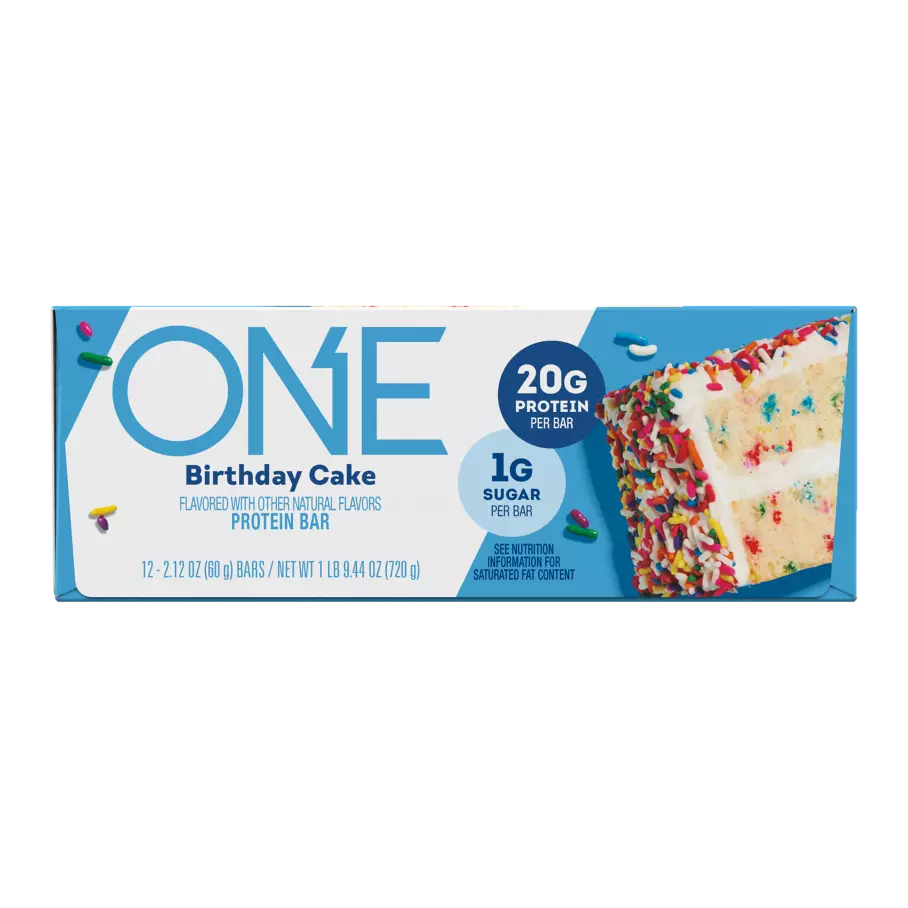
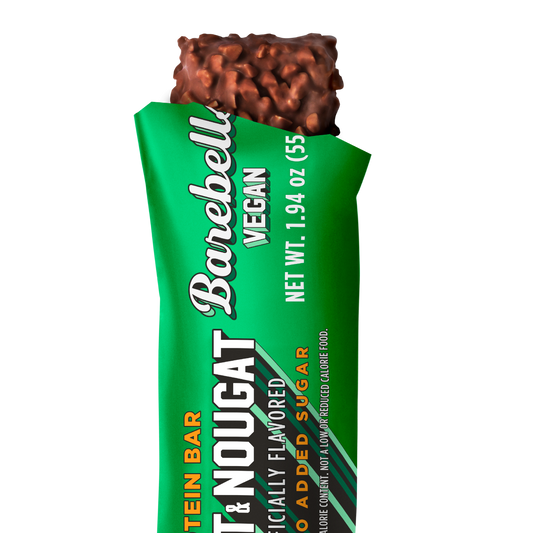
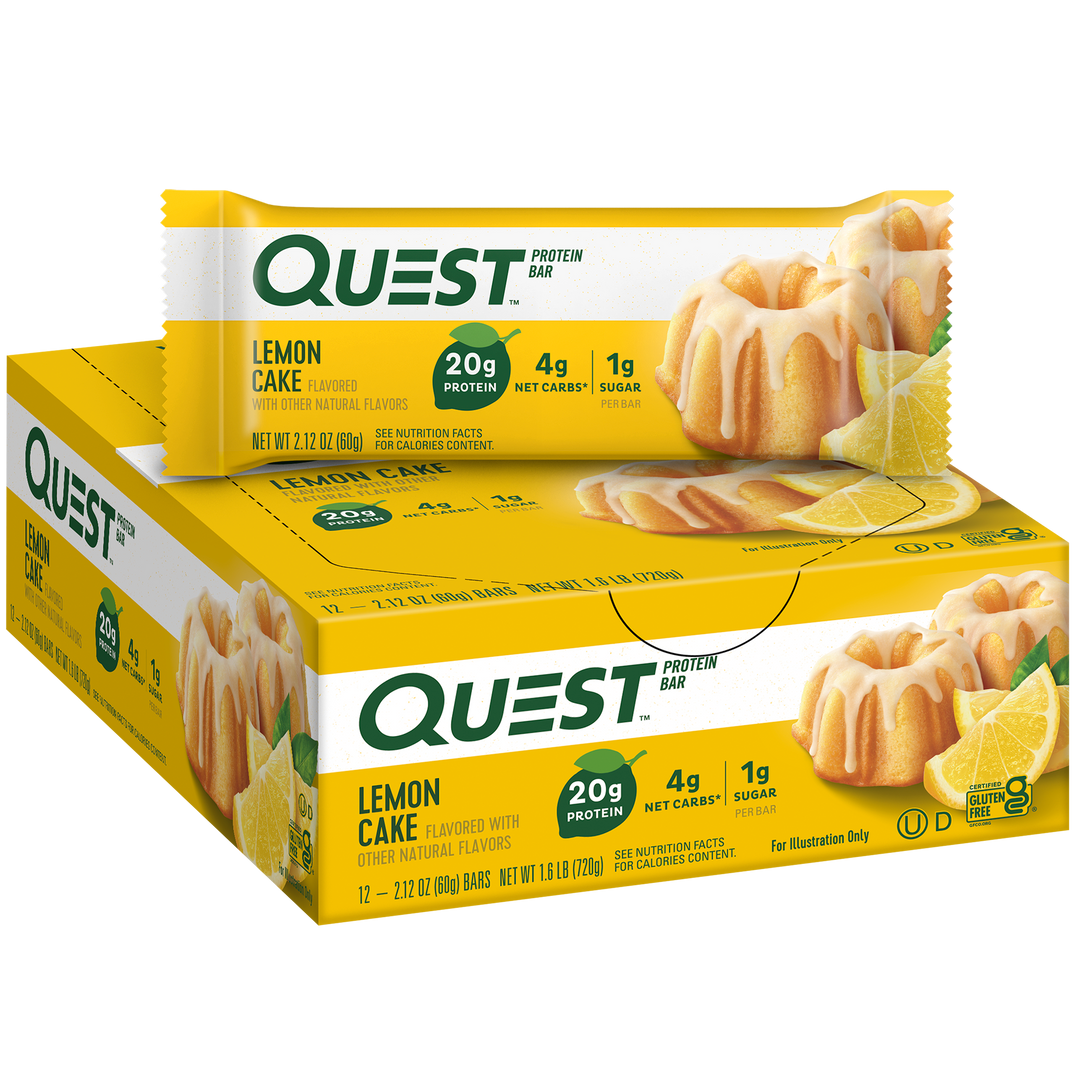
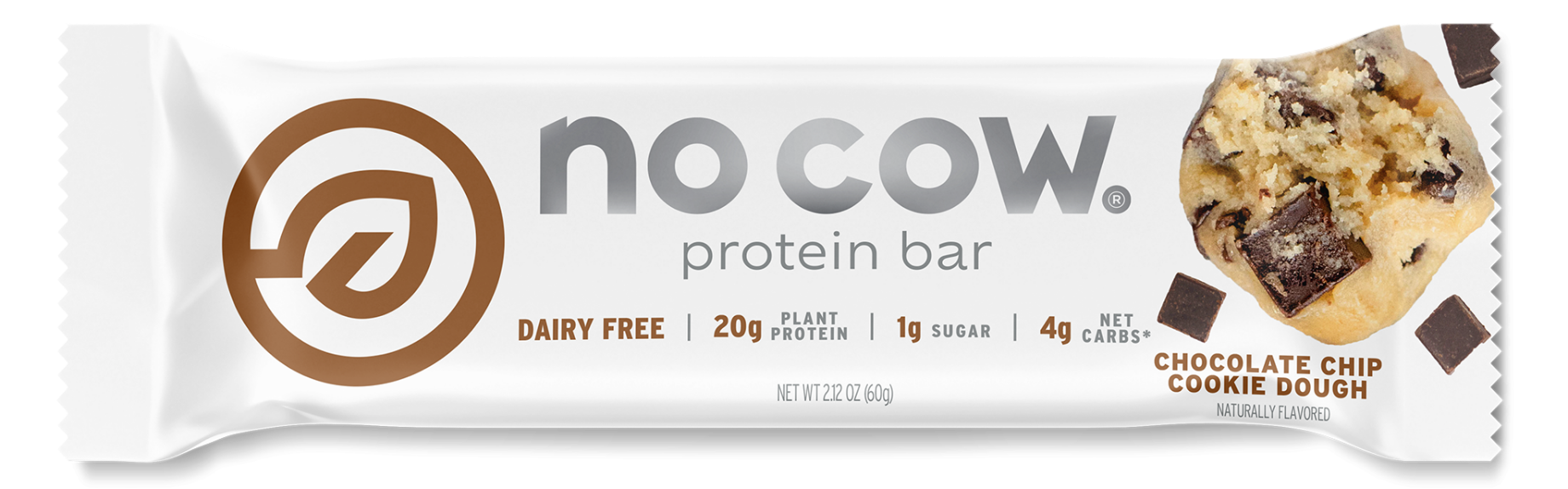
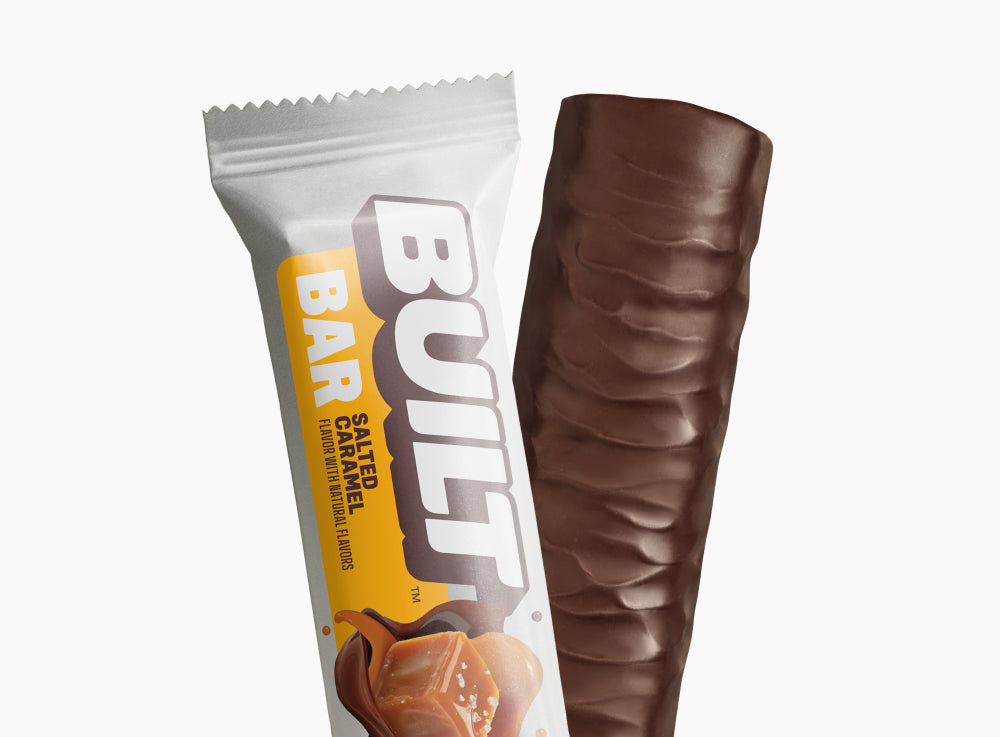
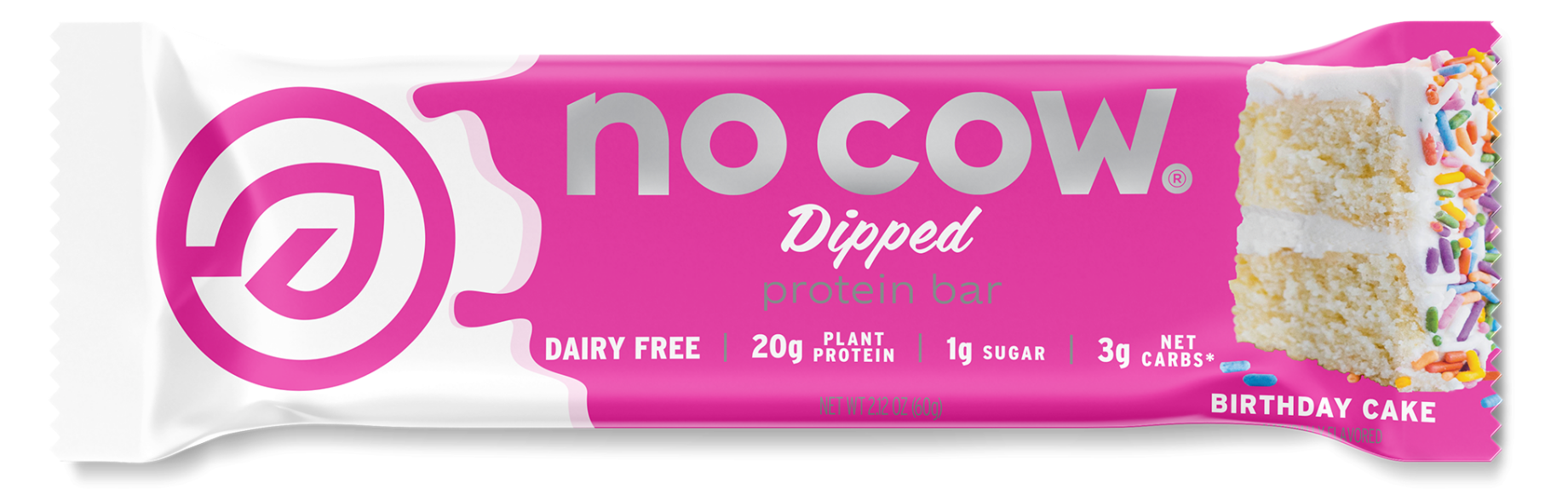
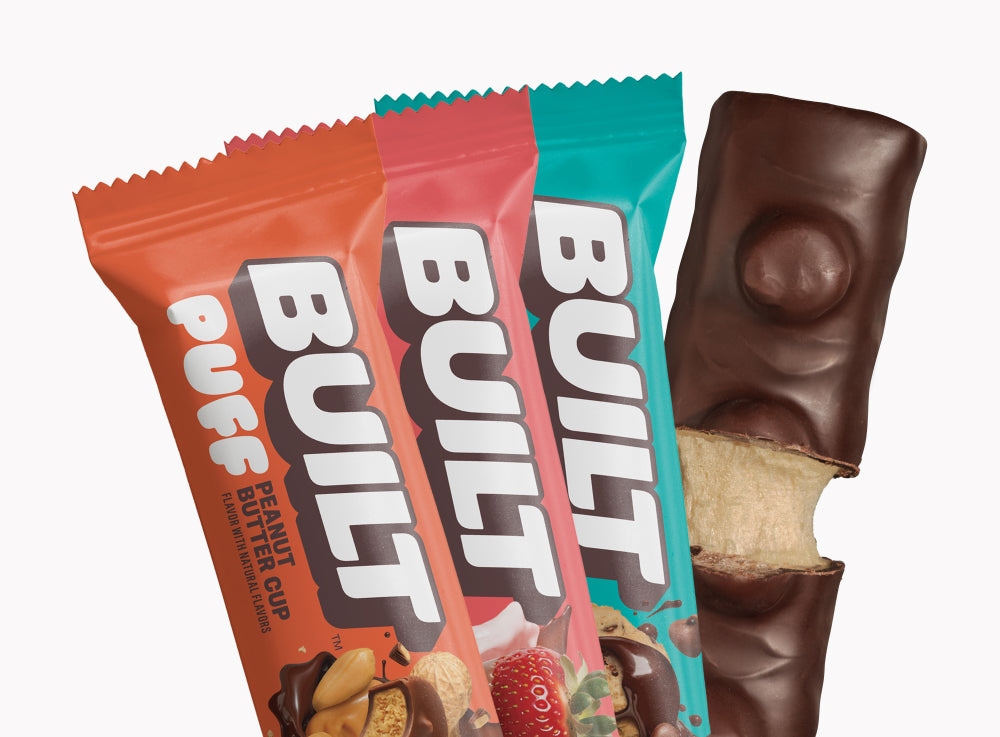
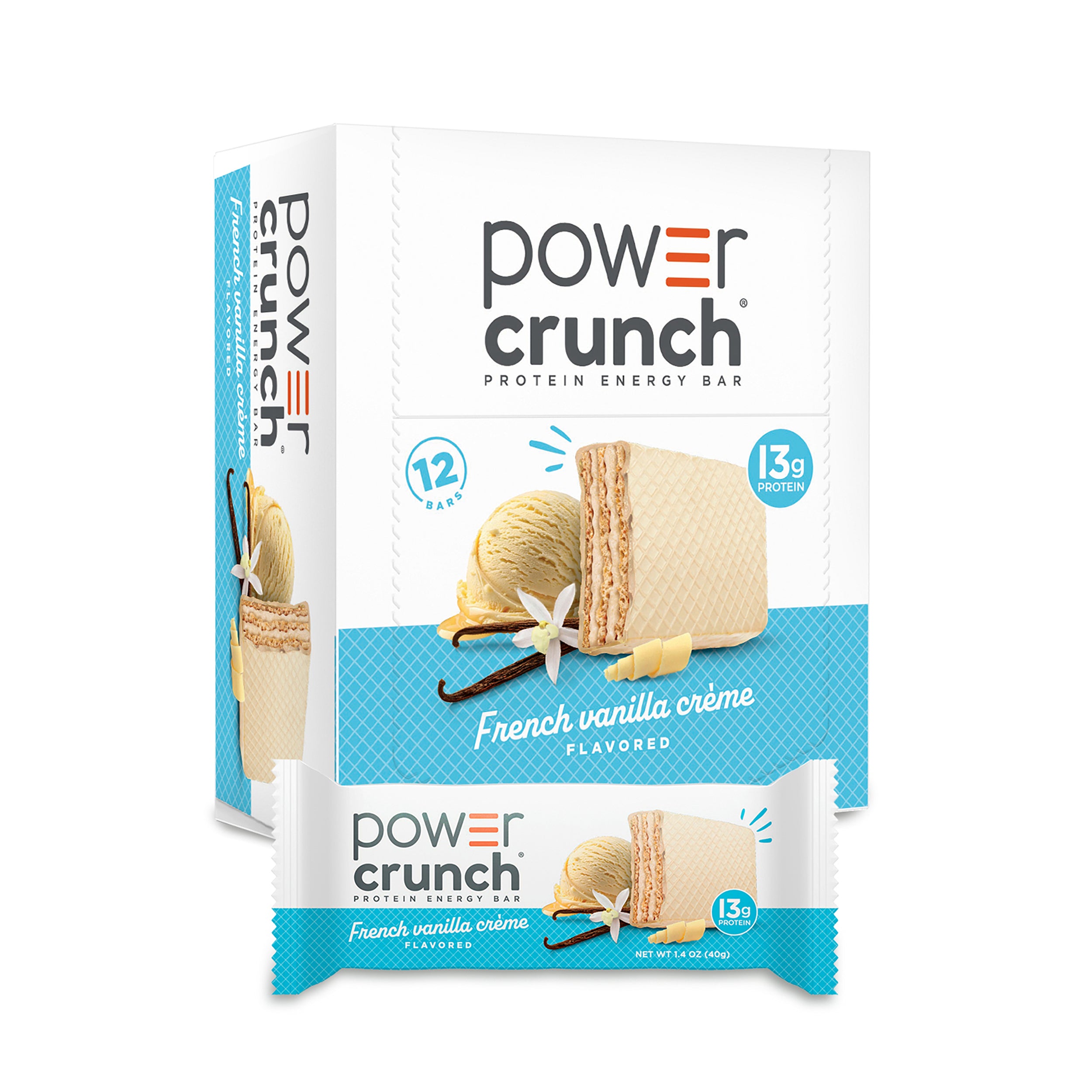
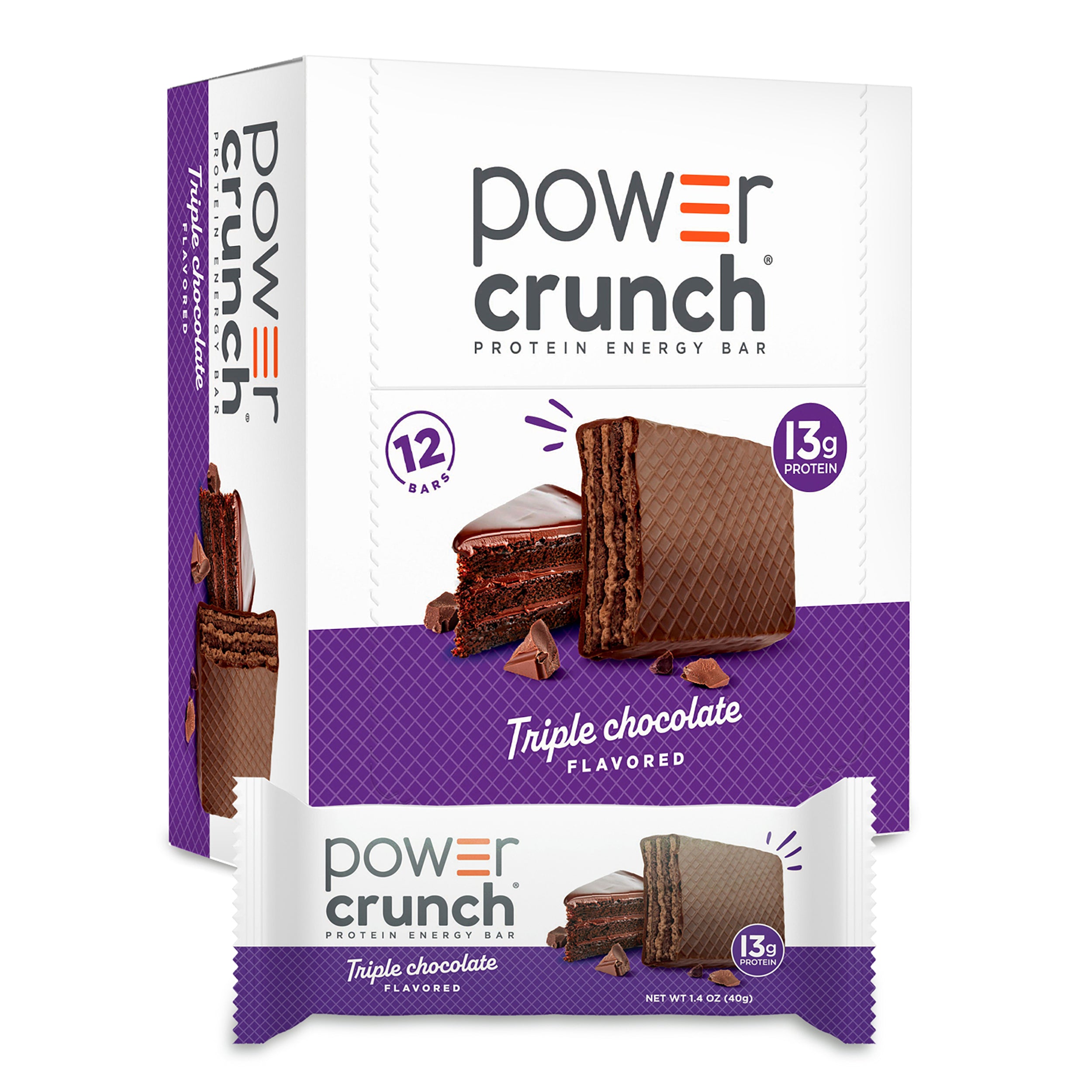
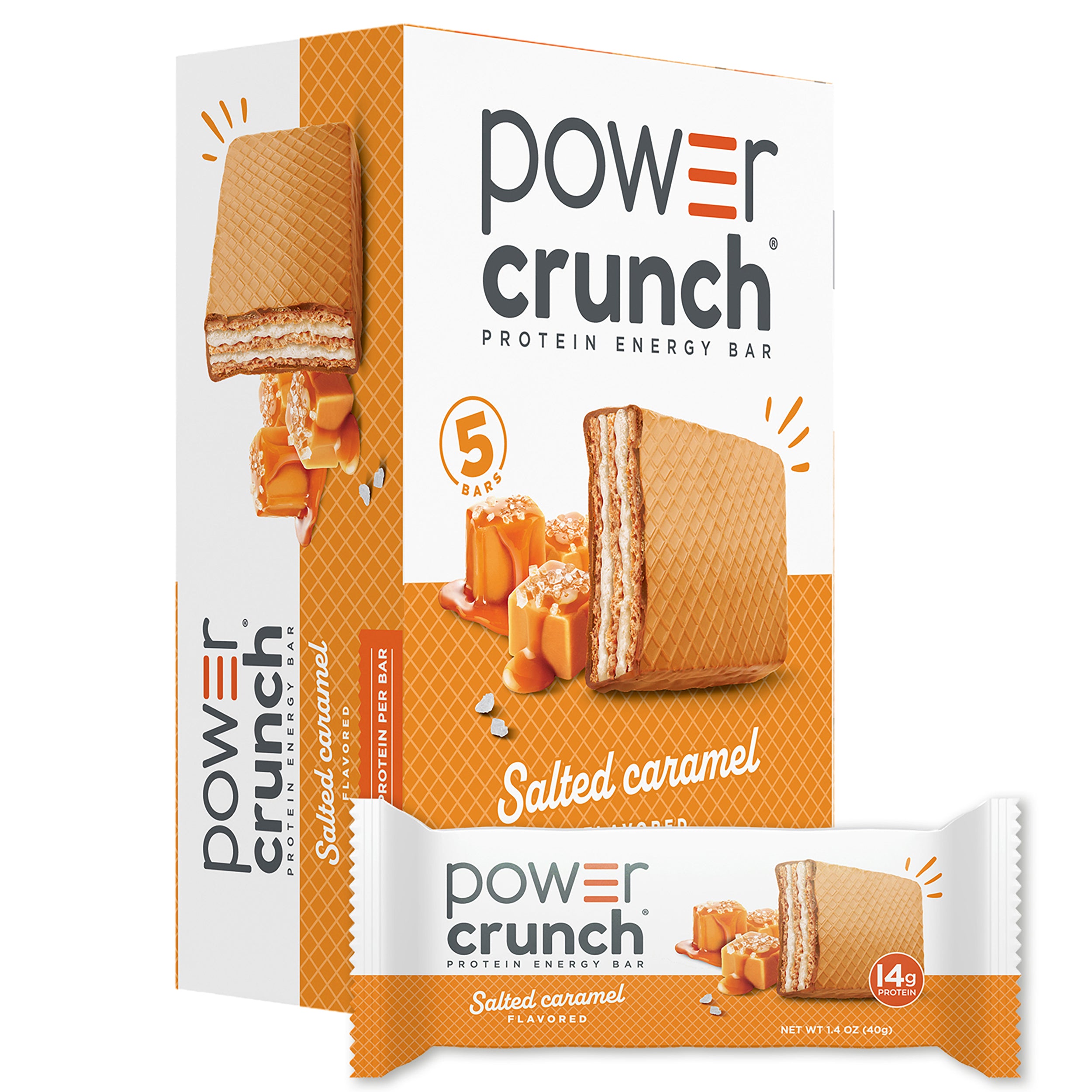
Quest, Built Bar, ONE Bar, Barebells, No Cow and Power Crunch are the staples of this shelf. Quest typically lands around $2 per bar at Walmart and Amazon and leans toward a denser, fiber-heavy texture. Built Bar runs closer to ~$2 to ~$3 per bar with a softer, marshmallow-like body. Barebells and ONE Bar usually sit between ~$2 and ~$3 per bar and trade some protein density for a candy-bar mouthfeel. Power Crunch wafers are the budget surprise of the category, often under $2 per bar in 12-packs at Walmart.
When you shop, three numbers matter: grams of protein, grams of added sugar, and dollars per bar. A useful floor is 20 g protein, 5 g sugar or less, and under $3 per bar. Anything above $3 per bar should be a treat purchase, not a daily driver. Our Value Score ranks every bar by grams of protein per dollar, so you can see at a glance which 20g+ bars actually justify the price.
Top Picks in High-Protein Bars
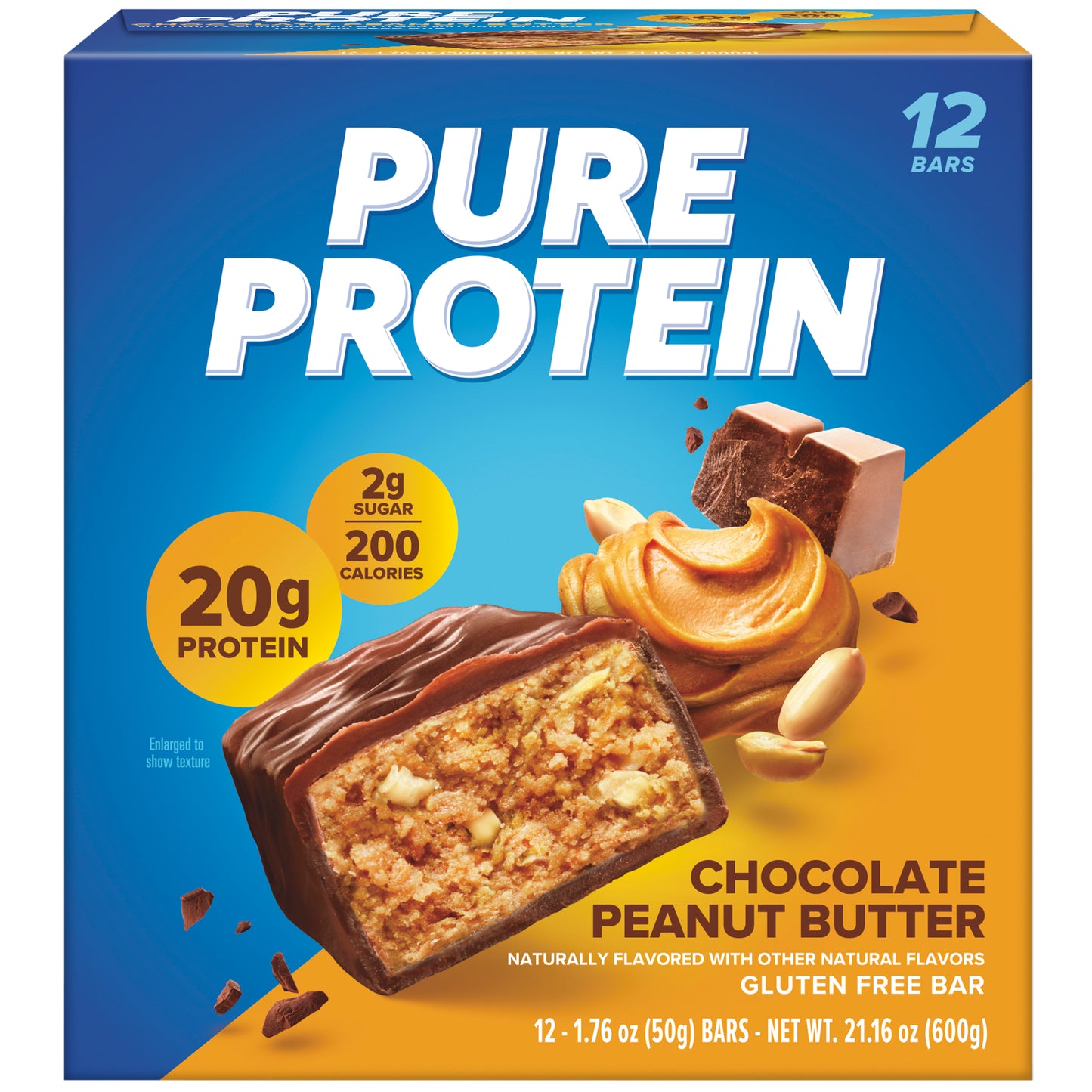
- Best value overall: Pure Protein Chocolate Peanut Butter (12-pack) at ~$18 from Walmart. 21 g protein per bar and the lowest cost-per-gram in the category.
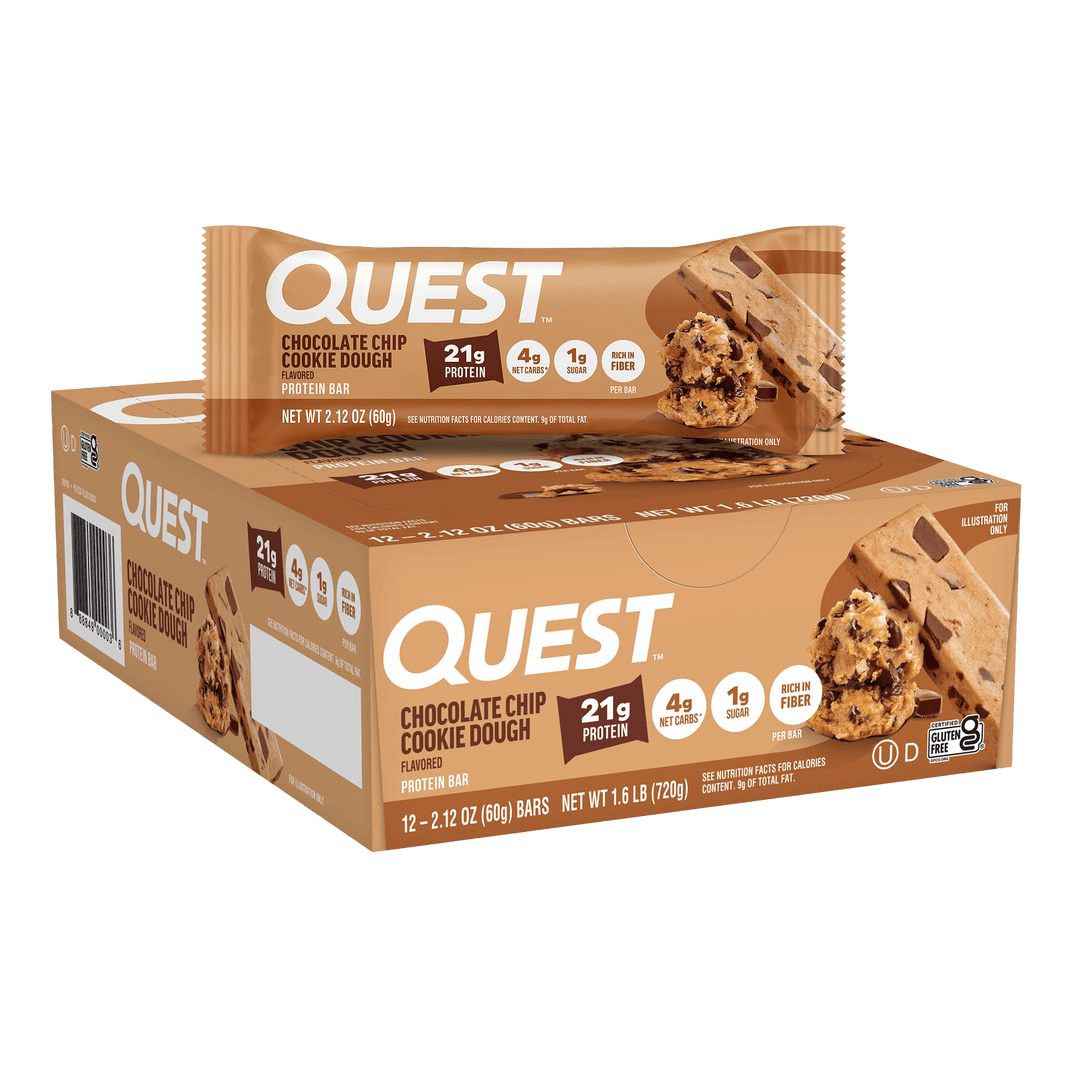
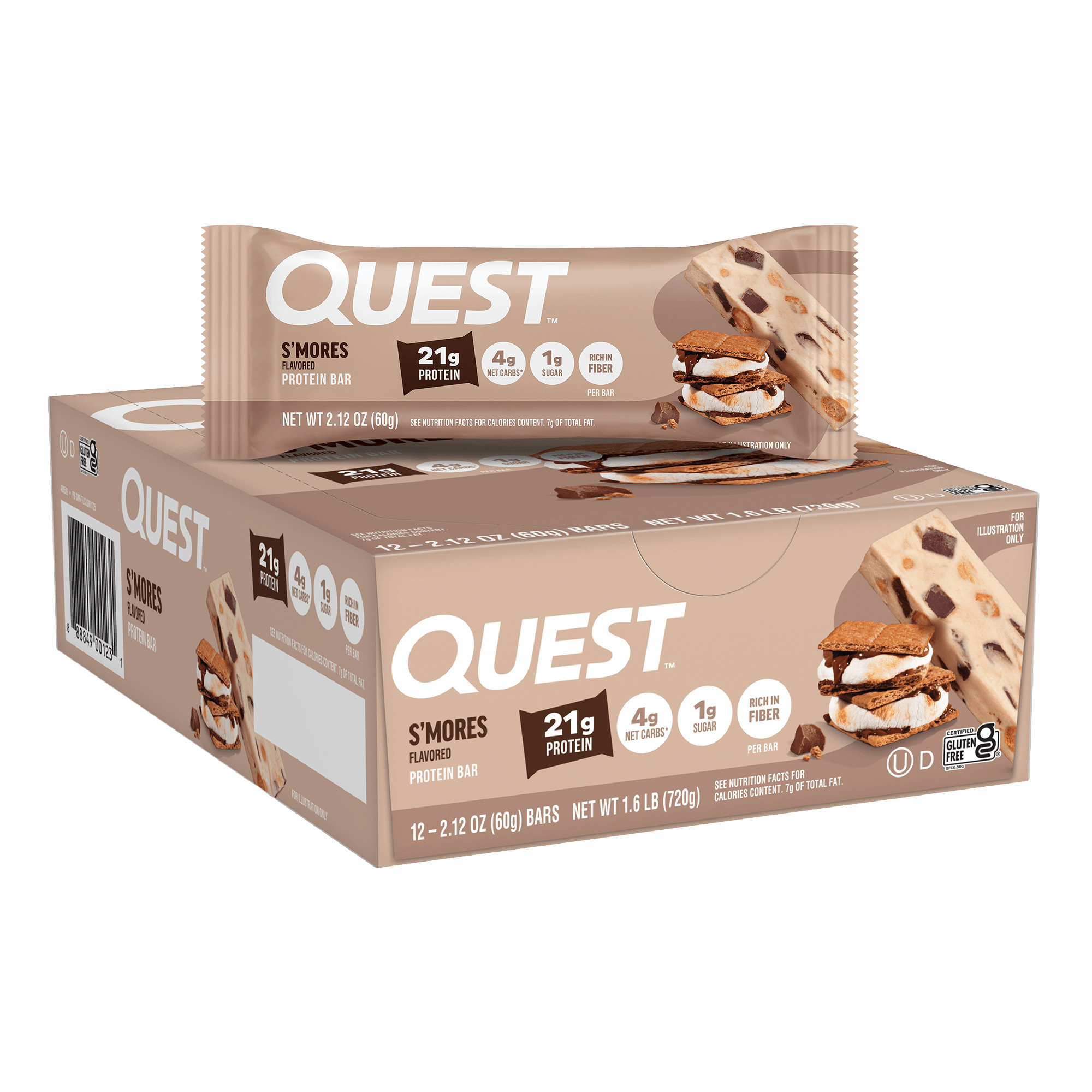
- Best for clean macros: Quest Chocolate Chip Cookie Dough. 21 g protein, 1 g sugar, high fiber, a long-running favourite for cutting phases.
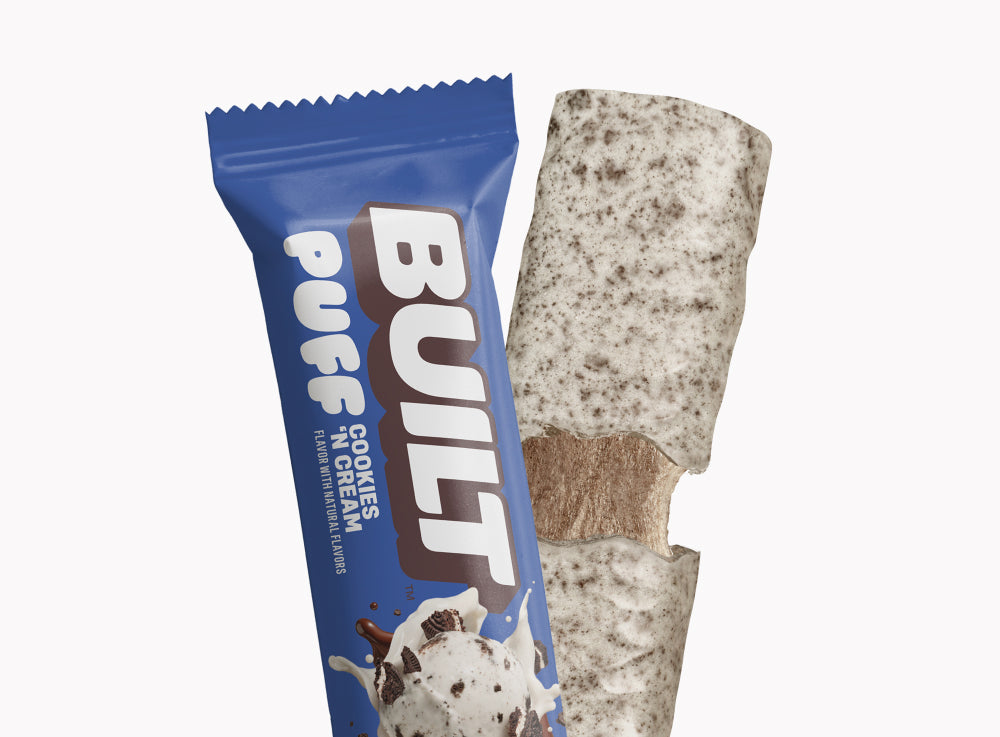
- Best soft texture: Built Bar Cookies & Cream (12-pack). Lighter, almost nougat-like, with 17 to 19 g protein depending on flavour.
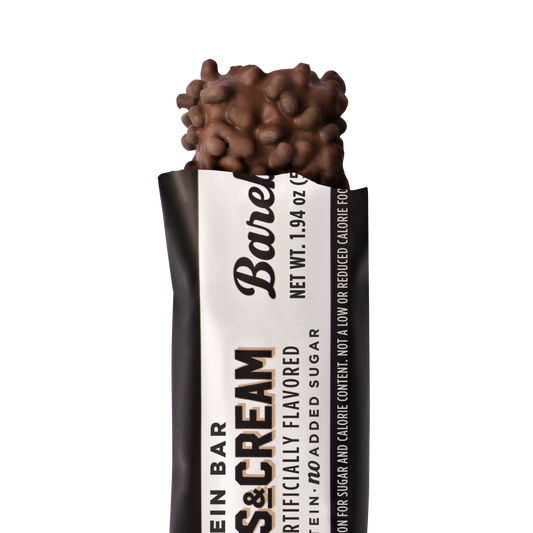
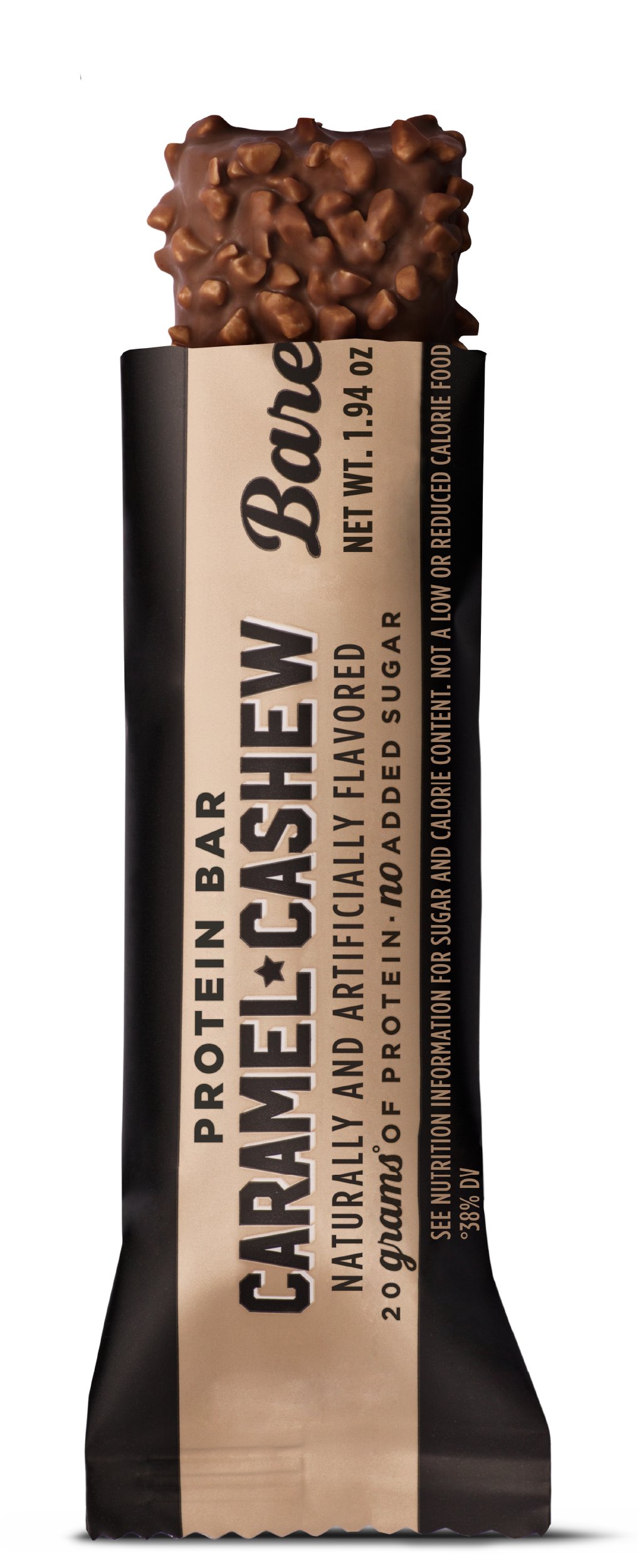
- Best candy-bar feel: Barebells Caramel Cashew. 20 g protein in a chocolate-coated bar that tastes closer to a Snickers than a protein bar.
- Best wafer pick: Power Crunch Original. 14 g protein in a crisp wafer, but at <~$2 per bar it is one of the cheapest entry points to the category.
Frequently Asked Questions
How much protein per bar should I look for?
For a bar that meaningfully contributes to a daily protein target, 20 g per bar is the practical floor. Below 15 g, you are usually paying snack-bar prices for a protein-flavoured granola bar. Most high-protein bars on this page sit at 20 to 21 g, and a handful (Quest Hero, Built Puff) reach 17 to 18 g but compensate on texture.
Are high-protein bars a good meal replacement?
Not really. A 20 g protein bar usually carries 180 to 230 calories, which is light for a meal. If you want a bar that replaces a meal, look at meal-replacement bars like Clif Builders or RXBAR, which run 250 to 420 calories with more carbs and fat.
Quest vs. Built Bar: which is better value?
Quest wins on grams of protein per dollar in almost every store check we run, especially at Walmart. Built Bar wins on texture and dessert appeal. If your goal is cost-per-gram, default to Quest; if you struggle to finish dry, dense bars, Built is worth the markup.
Is the sugar alcohol in Quest bars a problem?
Quest uses erythritol, which most people tolerate well. A small minority experience bloating or laxative effects above 30 to 50 g of sugar alcohols per day. If you have IBS or are sensitive to FODMAPs, try one bar before committing to a 12-pack.
Are high-protein bars a substitute for a protein shake?
A bar costs more per gram than powder. A scoop of whey is around 8 to 12 cents per gram of protein; a 20 g bar is 10 to 14 cents per gram. The trade-off is convenience and shelf life. Use shakes around training and keep bars for travel days, the office, or driving.
Where are these bars cheapest?
In our price tracking, Walmart and Amazon trade the lead. Walmart usually has the cheapest 12-packs of Pure Protein and Clif Builders. Amazon is more competitive on Quest, Built Bar and Barebells, and tends to drop multi-pack coupons on subscribe-and-save. See how we track prices.
Do high-protein bars expire quickly?
Most have a printed best-by date 9 to 12 months out. Bars stay safe past that date but the texture hardens, especially on Quest and No Cow. If you find a deep discount on a 12-pack that expires in 60 days, it is usually still fine to eat through.